




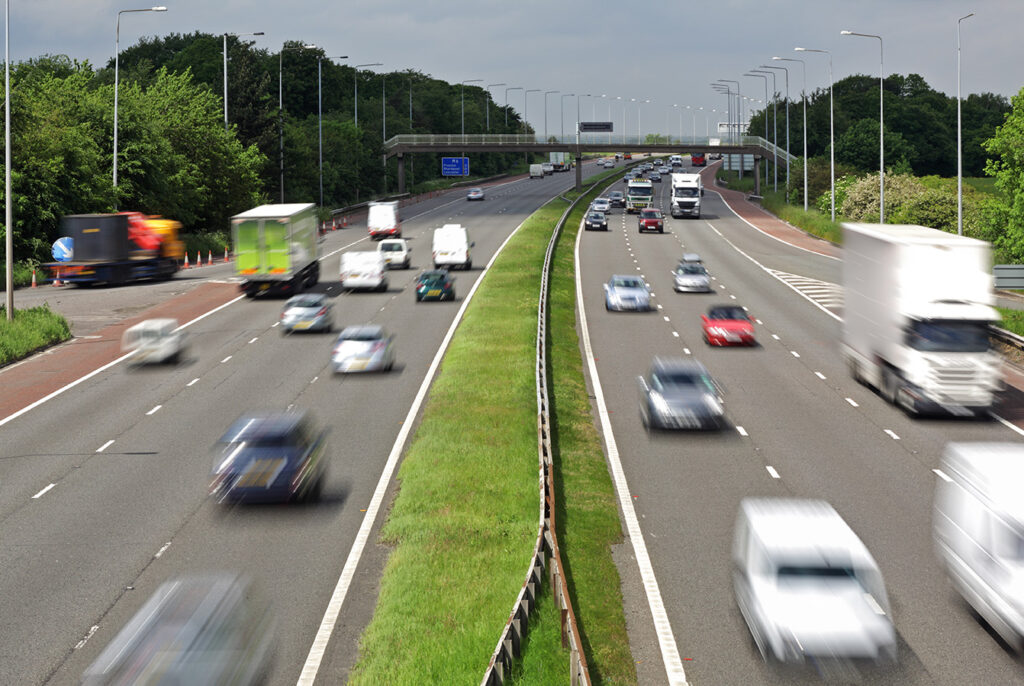



In the world of transport and logistics, there’s growing recognition that drivers don’t all experience the job in the same way. This is something Teodora Byrne, Fines Executive at Fleet Service GB and founder of SENDwise Hub, knows better than most. Teodora is a passionate advocate for workplace inclusion and an expert in supporting neurodivergent professionals. Her insights highlight how fleet managers can create environments where every driver feels supported – and why that’s good for both people and business. Read the full article here.
Neurodivergent drivers – including those with ADHD, autism, dyslexia or Tourette’s – can face unique challenges at work, but they also bring valuable strengths. With a few practical adjustments and the right mindset, fleet managers can make a big difference to wellbeing, safety and retention. And as Teodora often points out: when drivers thrive, so does the business.
What Does “Neurodivergent” Mean?
Neurodivergence is an umbrella term that describes the different ways people think, process information and experience the world. For example:
- A driver with ADHD might struggle with strict time-tracking systems.
- An autistic colleague could find sensory overload in noisy depots overwhelming.
- A dyslexic team member may find written instructions harder to follow.
But alongside the challenges, neurodivergent minds bring powerful strengths – like hyperfocus, problem-solving, pattern recognition and loyalty when supported well. That’s why it makes sense for fleet managers to adapt systems and practices.
Why Supporting Neurodivergent Drivers Matters
- Improved driver wellbeing – reducing stress and anxiety linked to unclear or rigid processes.
- Better staff retention – happier drivers are more likely to stay with the company.
- Increased safety – clearer communication and structured routines mean fewer mistakes.
- Enhanced reputation – being seen as an inclusive employer helps attract talent.
Think of it like vehicle maintenance – regular, thoughtful support prevents breakdowns and keeps everything moving forward.
Practical Ways Fleet Managers Can Help
Make Vehicles and Routes More Comfortable
- Offer quieter cabs, adjustable lighting or reduced-glare options.
- Provide clear, visually-structured route plans with voice control or high-contrast displays.
Offer Flexible, Predictable Scheduling
- Give plenty of notice if shifts or routes change.
- Where possible, allow drivers some choice in their schedules.
- Stick to consistent routines to reduce stress.
Improve Depots and Transitional Spaces
Depots can feel chaotic. Small changes can make a big difference:
- Add clear signage.
- Provide quiet rooms for decompression.
- Use structured check-in/check-out processes.
- Display visual communication boards.
Train Managers to Communicate Inclusively
Good communication is key:
- Avoid vague instructions and last-minute changes where possible.
- Offer information in different formats – written, verbal or visual.
- Be clear, direct and respectful.
Fleet Service GB’s Wellbeing Workshop is a great resource to help managers build the right skills. It equips leaders with practical knowledge and tools to support all kinds of drivers, including neurodivergent staff.
Involve Neurodivergent Voices
The best way to design inclusive systems is to ask the people who use them. Many neurodivergent drivers notice flaws or opportunities others miss. Include them in:
- Policy reviews
- Tech rollouts
- Feedback sessions
Rethinking Culture
Supporting neurodivergent drivers isn’t only about processes – it’s about culture too. Consider:
- Allowing stimming (self-regulation movements).
- Offering sensory kits, noise reduction gear or visual planners.
- Reducing outdated ideas of “professionalism” so drivers feel comfortable being themselves.
When inclusion is part of the culture, not just policy, everyone feels valued.
FAQs About Supporting Neurodivergent Drivers
What are some common challenges for neurodivergent drivers?
Challenges include rigid scheduling, noisy or overstimulating environments, unclear communication, and lack of flexibility in work systems.
What strengths do neurodivergent drivers bring to fleets?
They often excel in areas like hyperfocus, pattern recognition, creative problem-solving and loyalty.
How can managers improve communication?
Use simple, clear language. Provide information in multiple formats (written, visual, verbal). Avoid last-minute changes when possible.
Why is flexible scheduling important?
Predictable routines and advance notice help reduce stress, especially for drivers who struggle with executive function or anxiety.
FAQs About Fleet Service GB
Who are Fleet Service GB?
Fleet Service GB is a specialist fleet management company providing support to businesses across the UK. They focus on safety, wellbeing, and efficiency in fleet operations.
What services do Fleet Service GB provide?
They offer a wide range of services, from fleet maintenance and compliance to driver wellbeing initiatives like the Wellbeing Workshop.
What is the Fleet Service GB Wellbeing Workshop?
It’s a training session designed to give managers and staff the skills to support driver wellbeing, including practical strategies for neurodivergent inclusion.
Final Thoughts
As Teodora Byrne often reminds us, neurodivergent drivers have long adapted to the systems around them – now it’s time for those systems to adapt to them. By making small but meaningful changes, fleet managers can unlock hidden talent, improve retention, and build a stronger, more inclusive workplace.
Supporting neurodivergent drivers isn’t about overhauling everything. It’s about listening differently, asking better questions and making space for needs that may have been overlooked.
When we support the full diversity of minds behind the wheel, everyone moves forward.
Contact Theodora at: teodora@fleetservicegb.co.uk