



If you’ve noticed a few more “Notice of Intended Prosecution” letters landing on your desk lately, you aren’t alone. It’s not just your imagination; the roads are getting stricter, and the data proves it.
A recent report from IAM RoadSmart and reported by BBC Morning Live has highlighted a bit of a wake-up call for anyone running a fleet in the UK. According to data from the DVLA, the number of drivers picking up penalty points for speeding has jumped by a massive 32% between 2022 and 2025. We’ve gone from roughly 678,000 offences to nearly 940,000 in just a few years.
So, why is this happening, and more importantly, what can you do to stop your fleet’s insurance premiums and risk levels from spiralling?
Why are Speeding Points on the Up?
It seems our driving habits are shifting. A survey mentioned in the data showed that 61% of motorists admitted to breaking the 30mph limit recently. It’s easy to do, a momentary lapse in concentration and suddenly you’re doing 35 in a 30.
But it’s not just about the drivers. The technology used to catch them is getting much smarter:
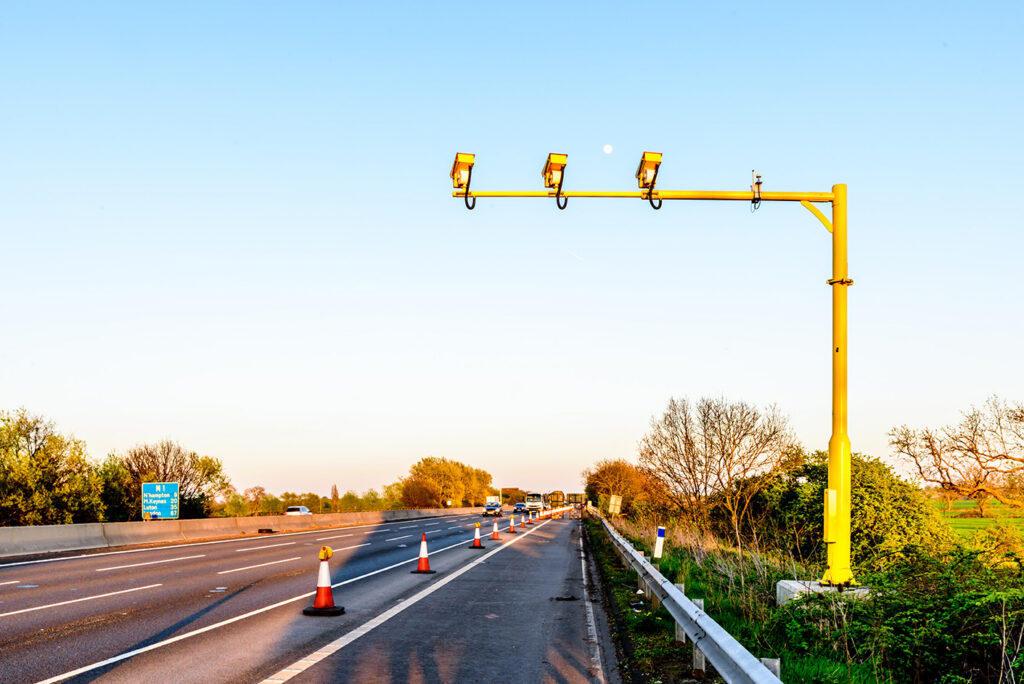
- Two-way cameras: Gone are the days when cameras only looked one way. Modern digital systems can catch vehicles coming and going.
- Digital checks: Enforcement is faster and more accurate than ever.
- Public reporting: Through initiatives like “Op Snap,” members of the public can now submit their own dashcam footage directly to the police.
When and Where is the Risk Highest?
The data gives us some brilliant insights into when your drivers are most likely to get into a spot of bother. Speeding is most common during night-time hours (6 pm to 5 am) when the roads are quieter and it’s tempting to put the foot down.
There are also some specific “hotspots” you should probably have on your radar:
- Warwickshire: Currently holds the highest offence rate, with one recorded offence for every 4.58 vehicles!
- The M77 in Scotland: Over half of the traffic (52%) was found to be exceeding the 70mph limit.
- The B2087 in East Sussex: Specifically the stretch between Flimwell and Ticehurst.
The Real Cost of a “Heavy Right Foot”
It’s not just about the £100 fine. The safety implications are huge. Government data shows that the difference between 20mph and 30mph adds about 11 metres to your stopping distance. That is roughly the length of three cars. In a fleet environment, that extra distance is often the difference between a close shave and a serious accident.
Myth-Busting for Your Drivers
It’s worth reminding your team that some common “road wisdom” is actually wrong:
- The “10% + 2mph” rule: This is just guidance for police, not the law. You can be fined for being just 1mph over the limit.
- Overtaking: It is not legal to exceed the speed limit while overtaking.
- Night-time: Just because the roads are empty doesn’t mean the speed limit doesn’t apply or that cameras are switched off.
How Fleet Service GB Can Help You Take Control
Managing a fleet is hard enough without chasing paper trails for speeding fines. This is where we come in. At Fleet Service GB, we provide the tools to turn this data into action.
Fine Management
We take the administrative headache out of the equation. Our Fleet Management services include robust systems for handling fines and notices. Instead of drowning in paperwork, you get a clear overview of who is offending, where, and how often.
In-Vehicle Driver Training
Data is great, but changing behaviour is better. We offer professional in-vehicle driver training that goes beyond a simple classroom chat. By getting in the cab with your drivers, we can identify bad habits, like that 61% tendency to creep over 30mph, and correct them in real-time.
Comprehensive Driver Management
By using our Driver Management platform, you can monitor driver behaviour and identify high-risk individuals before they pick up those expensive penalty points. This proactive approach is the best way to keep your team safe and your insurance costs manageable.
FAQs About Speeding Points & Fleet Management
How many points can a professional driver have before they are disqualified?
In the UK, if a driver builds up 12 or more penalty points within a three-year period, they are usually disqualified under the “totting up” system. For new drivers (within 2 years of passing), the limit is just 6 points.
Does a speeding fine go to the driver or the company?
The “Notice of Intended Prosecution” (NIP) is sent to the registered keeper (the company or leasing firm). The fleet manager must then legally identify who was driving at the time.
How long do speeding points stay on a UK driving record?
For most speeding offences, the points stay on the licence for four years, though they are usually only “valid” for the first three years for totting-up purposes.
FAQs About Fleet Service GB
What makes Fleet Service GB different?
We are a technology-led fleet management company that puts people first. Our goal is to simplify the complex world of fleet operations through smart data and real-world training.
Can you help with more than just driver training?
Yes! We offer a full suite of services including vehicle maintenance management, accident management, and full fleet management solutions tailored to your specific business needs.
Conclusion
The 32% rise in speeding points is a clear sign that the road environment is changing. With stricter enforcement and smarter cameras, “business as usual” isn’t enough to keep your fleet compliant. By focusing on driver education and using smart management systems, you can protect your drivers and your company’s reputation.
Ready to reduce your fleet’s risk? Learn how we can help you manage your drivers and vehicles more effectively.
- Explore our Fleet Management Solutions
- Improve safety with Driver Management & Training
Let’s get your fleet back on the right track.