




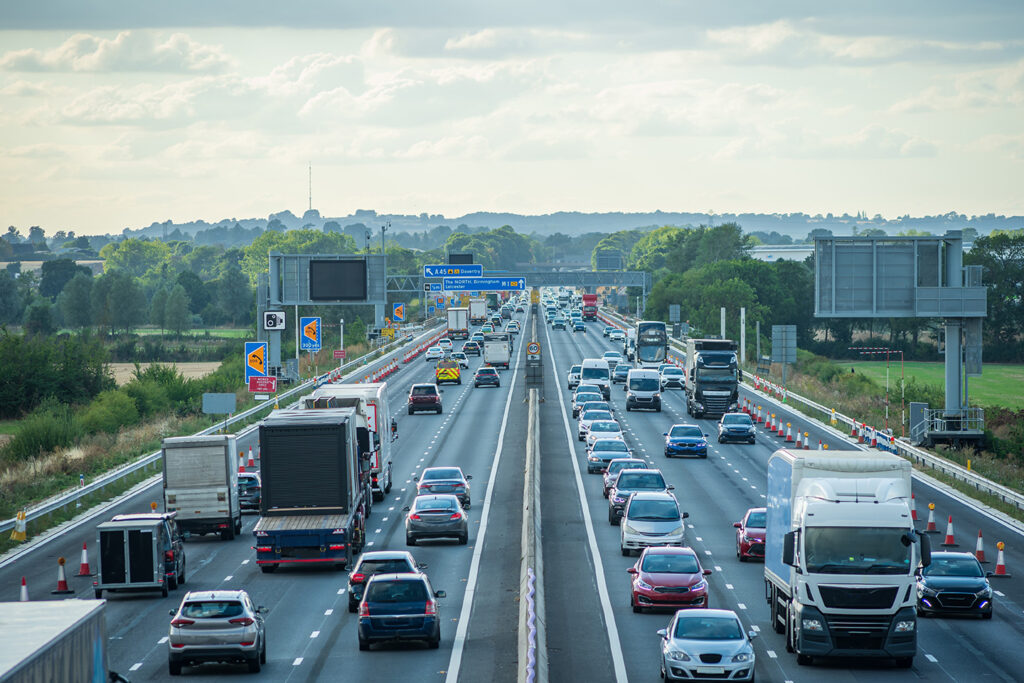
The Department for Transport (DfT) has moved into the second phase of its new national Road Safety Strategy this April, as the most ambitious safety targets in British history begin to reshape the nation’s roads.
Launched in January 2026, the strategy ended a decade of stalled progress by adopting the “Safe System” approach. As of April 2026, the government has officially activated the Road Safety Investigation Branch (RSIB) and moved forward with five major legislative consultations aimed at reducing road deaths and serious injuries (KSIs) by 65% by 2035, with a specialized 70% reduction target for children.
The April 2026 Milestone: The RSIB Goes Live
This month marks the formal start of operations for the Road Safety Investigation Branch (RSIB). Following the model used in aviation and rail, this independent body will now begin investigating the systemic causes of road collisions. By linking police data with NHS healthcare records for the first time, the RSIB aims to move beyond “blame” and identify where road design or vehicle failures contributed to a tragedy.
The Four Strategic Pillars
The framework continues to revolve around four themes, with new developments as of April:
Supporting Road Users
National guidance on lifelong road safety education is being rolled out this month. The government is also finalising the Minimum Learning Period for learner drivers (consulting on a 3 or 6-month requirement). This will ensure novices gain night-time and all-weather experience before testing.
Technology & Data
Great Britain has now aligned its “Type Approval” with high international standards. This will mandate 18 new safety technologies in all new vehicles manufactured from this year onward, including Intelligent Speed Assistance (ISA) and Advanced Emergency Braking (AEB).
Safe Infrastructure
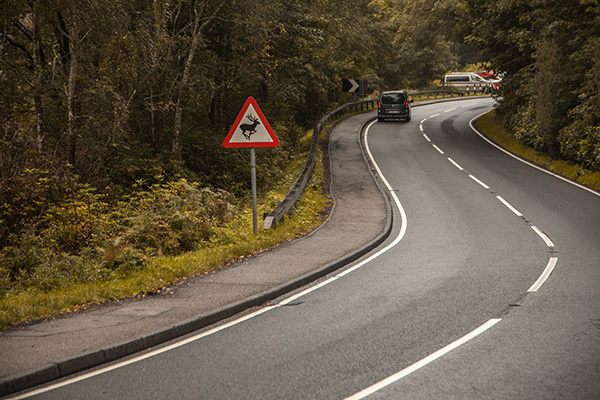
A £200 million Safer Roads Fund is currently being deployed to upgrade England’s 50 highest-risk local A-roads. In April, National Highways began its five-year focus (2026–2031) on eliminating “zero-star” and “one-star” rated road sections.
Robust Enforcement
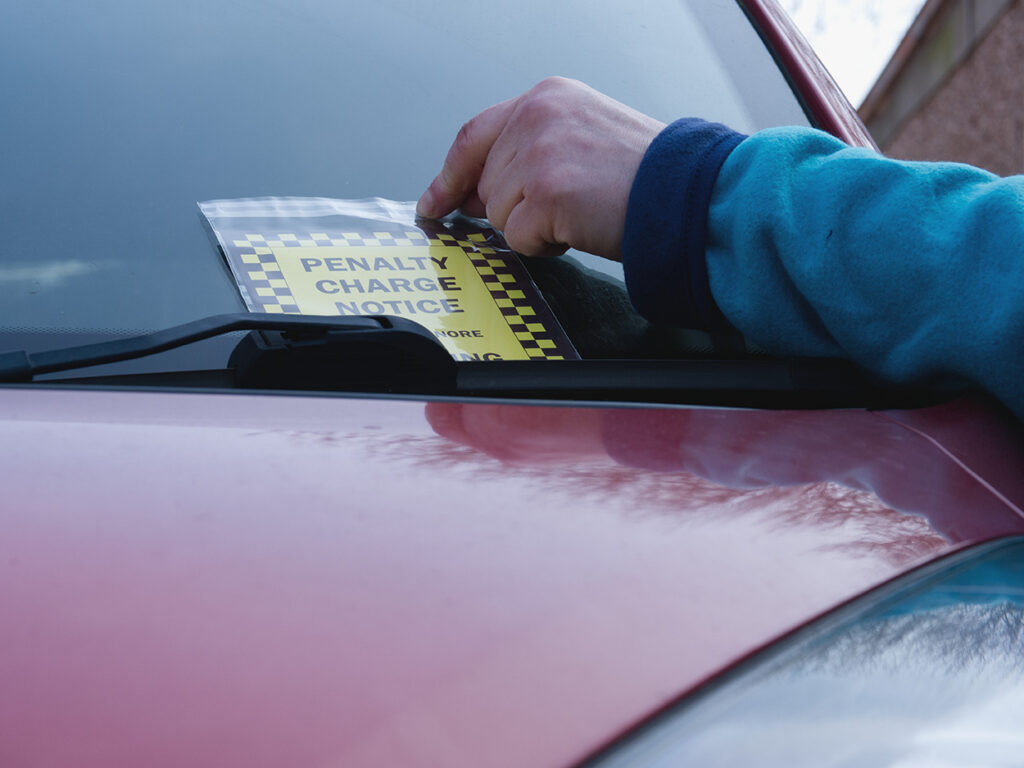
This month sees a crackdown on “ghost plates” (illegal number plates designed to evade cameras) and a final review of the proposal to lower the drink-drive limit in England and Wales to 22mg/100ml, matching the stricter limits in Scotland.
Key Changes for Drivers & Businesses
- Older Drivers: The consultation on mandatory eyesight tests for drivers over 70 is entering its final stages. This may include a new requirement to provide proof of an eye exam every three years to maintain a license.
- Fleet Safety: The National Work-Related Road Safety Charter pilot is now inviting its first 500 business partners. The Department for Transport (DfT) warns fleet managers that while the charter remains a “voluntary best-practice” pilot for now, regulatory mandates may arrive by 2028. If casualty rates among work-drivers do not decline, the DfT indicates it will enforce these requirements.
- Seatbelts: Legislation is being drafted this month to introduce penalty points for failing to wear a seatbelt. This will replace the current “fine-only” system to create a stronger deterrent.
A Data-Led Future
Roads Minister Lilian Greenwood confirmed this month that the government is exploring “Safety Performance Indicators” (SPIs) to track progress in real-time. This includes monitoring the “Decimal Star Rating” of roads and the prevalence of safety tech in the national car park.
As the UK moves deeper into 2026, the message is clear: the era of plateauing safety figures is over. Through a tougher enforcement, smarter cars, and better-designed roads, the government intends to save 95,000 lives over the next decade.