


When the sun is shining and the roads are clear, summer driving can be brilliant. But as the temperature inside your vehicle creeps up, a hidden danger travels with you: dehydration.
Most of us know we should drink more water when it’s hot, but when you’re rushing between jobs or staring down a long stretch of motorway, grabbing a bottle of water often falls to the bottom of the priority list. Here is the wake-up call: dropping your hydration levels by just 2% can lead to a massive 20% drop in your focus and concentration.
Let’s look at why staying topped up is just as important as keeping your fuel tank full, and how you can stay sharp and safe behind the wheel this summer.
The Hidden Danger: Why Water Matters for Drivers
It sounds like a small drop, but 2% dehydration is enough to trigger a serious slump in cognitive function. In fact, studies have shown that driving while mildly dehydrated causes you to make just as many minor driving errors as someone who is driving right on the legal drink-drive limit.
When you don’t drink enough water, your brain physically slows down. Your reaction times drag, your decision-making gets foggy, and your chances of a bump or a serious accident shoot up.
Early Warning Signs
Don’t wait until you’re parched. If you feel thirsty, you are already dehydrated. Look out for these early red flags while driving:
- A mild, nagging headache
- Dry eyes or blurred vision
- Feeling unusually tired or lethargic
- Losing your temper quickly with other drivers
- Drifting out of your lane or braking late
Actionable Tips to Stay Hydrated on the Road
Staying hydrated takes a bit of planning, especially when your office is the cab of a van or car. Here is how to keep your fluid levels up and avoid dehydration without constantly needing to pull over at the services.
Start Before You Set Off
Have a large glass of water right when you wake up. Starting your shift fully hydrated is much easier than trying to play catch-up while navigating traffic.
Keep It Cool and Handy
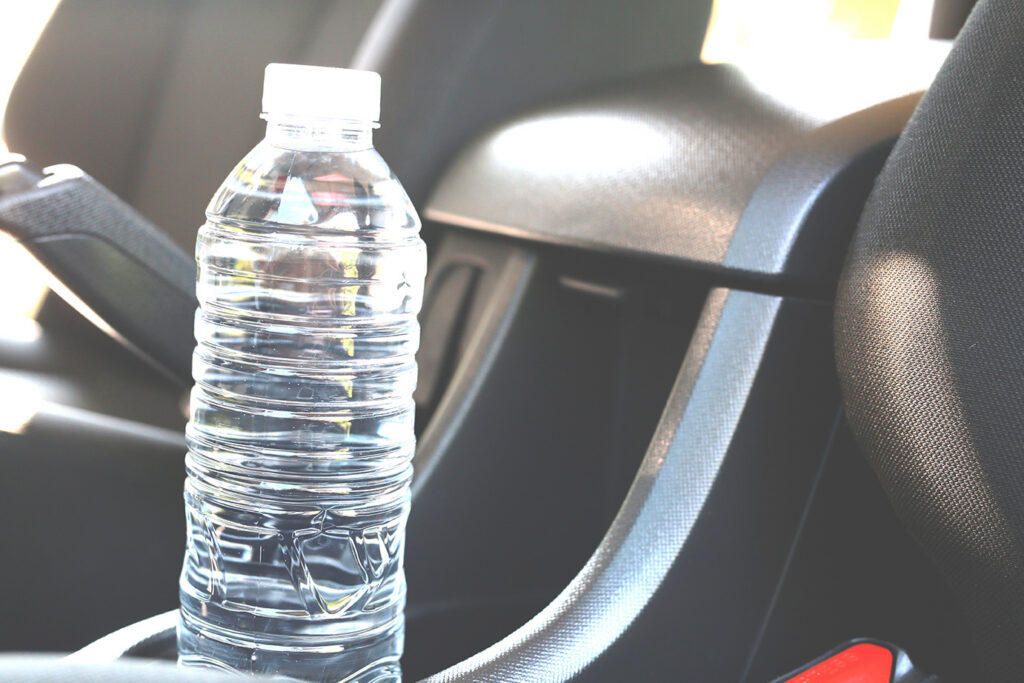
Invest in a good quality, insulated water bottle. Keeping your water cold makes it much more refreshing and tempting to drink in a stuffy vehicle. Keep it in the cup holder or passenger seat, if it’s out of sight in the boot or your bag, you simply won’t drink it.
Snack Smart
You can eat your water, too. Swap out dry crisps or biscuits for fruits that have a high water content. Apples, grapes, melon, and cucumber sticks are brilliant for keeping you refreshed and providing a slow-release energy boost that won’t leave you crashing an hour later.
Limit the Caffeine
It is tempting to rely on iced coffees or energy drinks to fight off the afternoon slump. While a cup of tea or coffee is fine, too much caffeine acts as a diuretic, meaning it makes you lose water faster. Try to match every caffeinated drink with a glass of water.
How Fleet Service GB (FSGB) Supports Driver Wellbeing
At Fleet Service GB, we know that the safety of any journey starts with the driver. Vehicle maintenance is crucial, but if the person behind the wheel isn’t firing on all cylinders, the risk remains high.
Through our comprehensive driver management programmes, we actively promote driver wellbeing as a core part of road safety. We provide fleets with the tools and training needed to keep drivers safe, healthy, and compliant. During the summer months, this means ensuring vehicles are properly maintained, such as checking air con systems are working perfectly so drivers don’t overheat and delivering targeted risk management advice to keep hydration and fatigue top of mind.
When you partner with FSGB, you aren’t just looking after your vans and cars; you are protecting the people who drive them.
FAQs About Hydration and Driver Safety
How much water should I drink while driving?
As a general rule, aim for about 1.5 to 2 litres of water a day. If your vehicle lacks air conditioning or you are doing heavy manual work alongside your driving, you will need to increase this. Sip little and often rather than downing a whole bottle at once.
Does coffee or tea count towards my daily hydration?
Yes, they do contribute to your fluid intake, but they shouldn’t be your main source of hydration. The caffeine can cause you to lose fluids more quickly. Always prioritise plain water or no-added-sugar squash.
How does dehydration actually affect my driving skills?
It massively impacts your cognitive functions. You’ll experience slower reaction times to hazards, poorer lane tracking, reduced concentration, and a higher likelihood of suffering from micro-sleeps or severe fatigue.
FAQs About Fleet Service GB
What services does Fleet Service GB offer?
Fleet Service GB provides end-to-end fleet management solutions. This includes vehicle maintenance and management, comprehensive driver training and risk management, accident management, and flexible rental services.
How does FSGB help with driver safety?
We focus heavily on the human element of fleet management. Through our Achieve Driver Management programme, we assess driver risk, offer tailored training, monitor compliance, and provide ongoing support to ensure drivers are physically and mentally prepared for the road.
Do you manage both cars and commercial vehicles?
Yes. We have dedicated expertise across all vehicle types, from company cars to heavy goods vehicles (HGVs), ensuring that no matter what your fleet looks like, it operates safely and efficiently.