




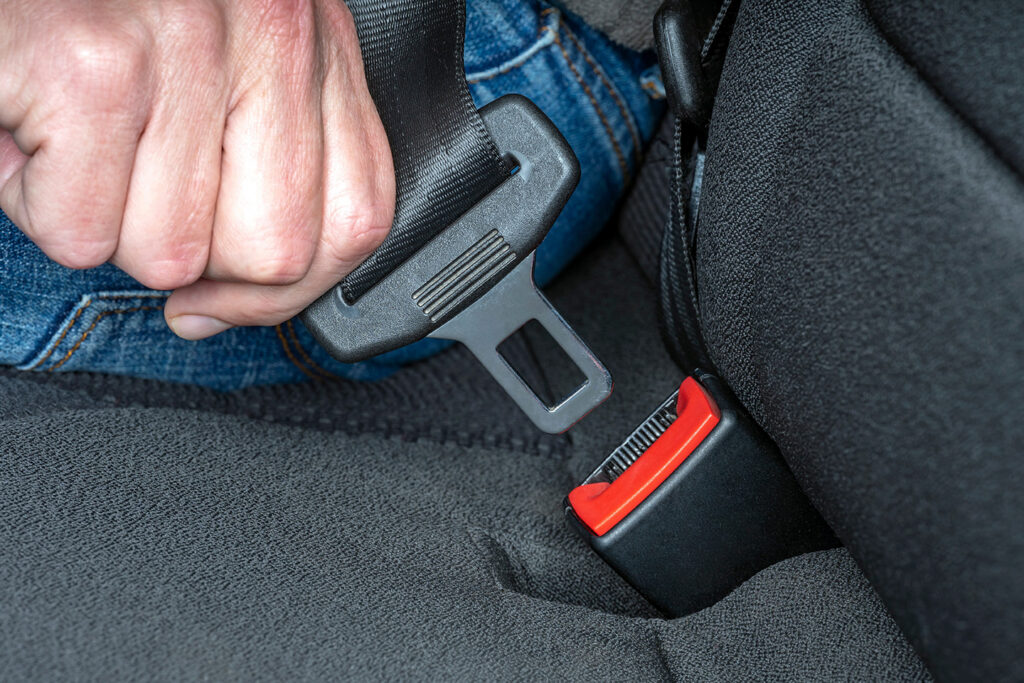
We all know the click of a seat belt is one of the most basic habits of driving. It is automated, routine, and usually second nature. Yet, seat belt non-compliance remains one of the leading causes of avoidable road fatalities in Great Britain.
For fleet managers, ensuring every driver belts up every time isn’t just about abiding by the Highway Code, it’s a critical part of your legal duty of care, fleet risk management, and workplace safety culture.
In this guide, we’ll dive into why seat belt compliance slips, how to tackle common loopholes like the “50-metre delivery exemption”, and how modern digital tools can help you keep your drivers safe and fully compliant.
Why Fleet Seat Belt Compliance Must Be a Top Priority
Police forces up and down the country classify non-seat-belt use as one of the “Fatal 4” motoring offences, alongside speeding, drink/drug driving, and mobile phone distraction.
According to government road casualty data, nearly a quarter (around 24%) of all car occupant fatalities involved someone who wasn’t wearing a seat belt. In a commercial fleet setting, an unbelted driver isn’t just taking personal risks, they are exposing your business to significant liability, operational downtime, and severe legal repercussions.
Key Risks of Seat Belt Non-Compliance for Fleets
- Severe Injury or Fatality: In a collision, an unbelted driver is far more likely to suffer fatal head injuries or be ejected from the vehicle.
- Breach of Duty of Care: Under the Health and Safety at Work etc. Act 1974, employers must ensure the health, safety, and welfare of employees while driving for work.
- Insurance and Financial Costs: Unbelted drivers involved in accidents lead to complex insurance claims, increased premiums, and potential loss of cover.
- Reputational Damage: Vehicles carrying your company logo being caught on camera or in incidents with unrestrained drivers can severely damage your brand reputation.
Understanding the Law: The 50-Metre Exemption Misconception
One of the biggest compliance headaches for fleet managers, revolves around seat belt exemptions.
Motoring law does allow an exemption for drivers of goods vehicles travelling no more than 50 metres between stops. However, relying on this exemption poses real challenges:
- It is hard to measure accurately: Drivers often misjudge 50 metres on busy urban streets.
- It creates dangerous habits: Unbuckling dozens of times a day leads to complacency, making drivers forget to belt up when speeding up between longer stops.
- Police enforcement scrutiny: Police and enforcement cameras actively target unbelted commercial drivers. If a driver cannot prove they met the strict criteria, they face fixed penalty notices or court summons.
To explore the latest safety campaigns and guidance, you can review the Driving for Better Business Seat Belt Safety Focus. As a supporter of Driving for Better Business (DfBB), Fleet Service GB actively supports this government-backed National Highways programme. Helping businesses reduce work-related road risk and implement best practice safety standards across their fleets.
5 Practical Steps to Enforce Fleet Seat Belt Safety
Improving fleet seat belt compliance requires a mix of clear policy, smart technology, and effective communication. Here is how fleet managers can take action today.
Set Unambiguous Rules in Your Driver Handbook
Don’t leave seat belt expectations to guesswork. Your company driving policy should clearly state that seat belts must be worn at all times when operating any business vehicle, regardless of whether the law allows an exemption on private land or short multi-drop routes.
Make sure every driver reads, understands, and signs off on this policy. With the Fleet Service GB Digital Driver Handbook, you can instantly distribute policies digitally. Helping track driver acknowledgements, and maintain audit-ready records effortlessly.
Implement “Authority to Drive” Checks
Before letting any driver behind the wheel, you need a robust mechanism to confirm they are qualified, healthy, and compliant with company standards.
Using an automated platform like Fleet Service GB Authority to Drive, fleet managers can continuously verify driver licence status. This ensures health declarations are up to date, and guarantee drivers have formally committed to policies.
Educate Drivers on the Physics of Crash Impact
Many drivers skip seat belts on low-speed runs because they believe they can “brace themselves” in an impact. Educational toolbox talks should highlight the reality: even a low-speed crash at 20 mph exerts forces impossible for human arms to hold back.
Monitor Telematics and Vehicle Safety Tech
Modern telematics systems and smart seat belt reminders provide real-time visibility into driver behaviour.
- Track seat belt engagement indicators alongside speed and harsh braking data.
- Ensure vehicle defect reports include seat belt latch checks so faulty equipment is repaired immediately.
Establish Fair Disciplinary Procedures
Ensure your safety policy outlines clear consequences for non-compliance. While retraining and education should always come first, persistent refusal to wear a seat belt should be handled through formal disciplinary procedures.
FAQs About Fleet Seat Belt Compliance
Are fleet drivers legally required to wear a seat belt in the UK?
Yes. Under UK law, drivers and passengers must wear a seat belt if one is fitted. Drivers are personally liable for wearing their belt and face a fine of up to £500 if caught without one.
What is the 50-metre seat belt exemption for delivery drivers?
The law allows an exemption for drivers of goods vehicles making deliveries or collections, provided the vehicle travels no more than 50 metres between stops. However, safety experts strongly recommend wearing a belt on all journeys due to the high risk of low-speed collisions.
Can an employer be held responsible if a driver doesn’t wear a seat belt?
Yes. If an employer fails to set clear driving policies, perform risk assessments, or enforce safety rules, they can face investigation by the Health and Safety Executive (HSE) following a serious workplace collision.
How can fleet managers track seat belt compliance?
Fleet managers can monitor compliance using telematics alerts, driver safety audits, vehicle inspection apps, and by establishing a digital policy sign-off process.
FAQs About Fleet Service GB
What is Fleet Service GB?
Fleet Service GB is an industry-leading, tech-enabled fleet management provider based in the UK. They deliver fully integrated solutions for vehicle management, driver risk management, maintenance, and accident management.
What is Fleet Service GB’s partnership with Driving for Better Business (DfBB)?
Fleet Service GB is an official Delivery Partner with Driving for Better Business (DfBB). DfBB is a National Highways programme designed to reduce work-related road risk. Through this partnership, FSGB works closely with DfBB to promote industry best practice. Helping share road safety insight, and support free resources like the Car Driver Toolkit and monthly safety focus campaigns.
How does Fleet Service GB help with driver compliance?
Fleet Service GB provides comprehensive tools to manage driver risk, including licence checks, digital driver handbooks, driver training, and automated compliance workflows. Aiming to ensure every driver is safe and legal to drive.
Does Fleet Service GB offer support for both vehicles and drivers?
Yes. Fleet Service GB offers a co-managed, data-driven framework that bridges the gap between vehicle upkeep and driver behavior. They help businesses reduce operational costs while improving road safety.
Take Control of Fleet Safety with Fleet Service GB
Improving fleet seat belt compliance isn’t just a legal duty, it’s one of the simplest, most effective ways to protect your workforce. By combining clear digital policies, continuous driver validation, and real-time oversight backed by our partnership with Driving for Better Business, you can eliminate preventable risks across your commercial fleet.
Ready to streamline your compliance and reduce fleet risk? Explore how Fleet Service GB Fleet Management solutions can transform your operations, or take a deeper look at our tailored Fleet Service GB Driver Management services to keep your drivers safe, compliant, and empowered today.