

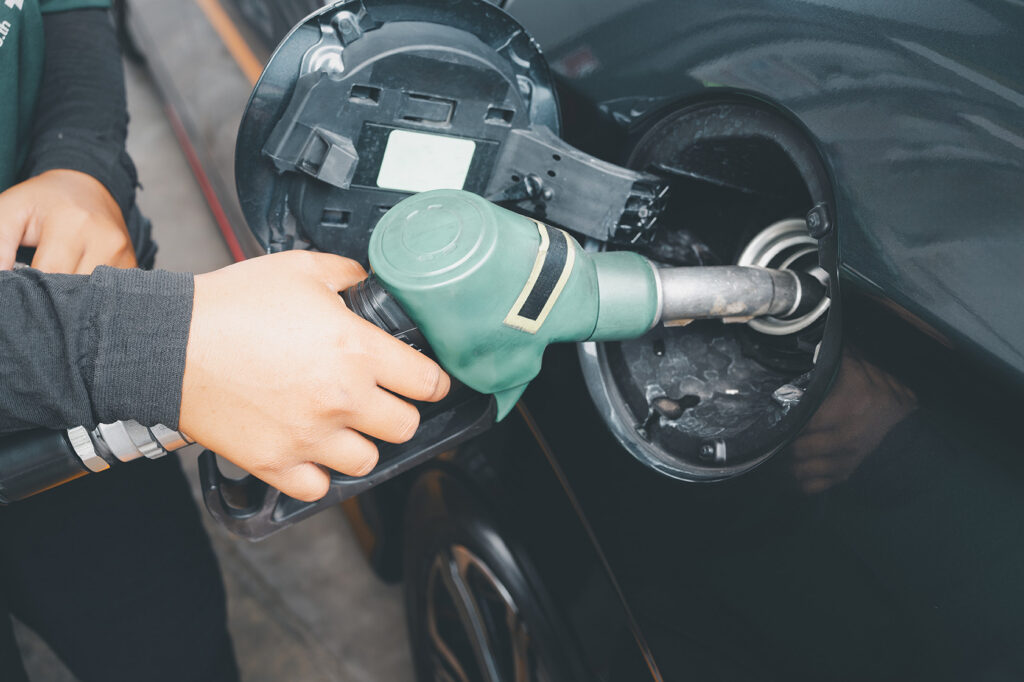

Picture this: you pull into your local supermarket, plug your electric vehicle (EV) into a charging bay, and go about your day, or perhaps leave it overnight thinking you’re being practical. You come back, unplug, and drive away happy. A week later, a £100 Parking Charge Notice (PCN) arrives through your letterbox.
Sound familiar? You’re certainly not alone. Thousands of UK drivers are falling victim to what’s being dubbed the supermarket EV charging trap.
A recent news story from the BBC BBC iPlayer episode on supermarket EV parking fines highlighted how confusing car park rules and automated camera enforcement are leaving honest electric car drivers out of pocket.
What is the Supermarket EV Charging Trap?
The supermarket EV charging trap happens when electric vehicle drivers plug into a supermarket charge point but unwittingly break the private parking rules of the car park.
While the EV charger itself might be working fine and accepting your payment, the car park is often managed by a separate private parking company. These companies use Automatic Number Plate Recognition (ANPR) cameras.
Why standard parking rules don’t match EV charging needs
- Conflicting opening hours: Many supermarket chargers remain active 24/7. However, the car park itself may strictly prohibit parking outside store operating hours.
- Maximum stay restrictions: Most supermarket car parks enforce a strict two- or three-hour time limit. If your battery takes four hours to charge on a 7kW or 22kW post, staying until it’s full means an automatic fine.
- Overstay penalties from charging apps vs parking fines: Some EV networks charge an “overstay fee” per minute via their app. Private parking enforcement operators will hit you with an entirely separate PCN fine of up to £100.
Why EV Drivers Are Getting Caught Out
It seems logical that if a charging station is operational, you’re allowed to park there and charge. However, a major disconnect between charge point operators and private parking management companies is creating a nightmare for drivers.
At the core of this issue is a clash of conflicting goals:
- Charge Point Providers: Encourage you to plug in and pay for electricity. Their chargers operate 24 hours a day and promote full battery top-ups.
- Parking Enforcement Companies: Use ANPR cameras to log entrance and exit times. They strictly enforce max-stay limits (typically 2 hours) and automatically issue £100 penalty notices for overstays, regardless of whether you paid to charge.
Unclear and Hidden Signage
- Parking restriction signs are frequently positioned near the car park entrance or near store doors, rather than directly next to the EV charging bays. Drivers focus on the charger screen instructions and miss the fine print on the parking boards.
Slow Charging Speed Traps
- Supermarket chargers are often destination chargers (7kW to 22kW). These slow-to-medium chargers require several hours to add significant range. If the car park limits parking to 90 minutes or 2 hours, you cannot fully charge without risking a ticket.
Overnight Charging Misunderstandings
- Drivers living in flats or houses without off-street parking often rely on local supermarket chargers overnight. If the store’s parking terms ban overnight stays, ANPR cameras log your entry and exit, issuing a penalty even if you paid for the electricity all night.
Actionable Tips: How to Avoid Supermarket EV Parking Fines
To make sure your grocery run or overnight top-up doesn’t end with a costly fine, follow these simple steps before plugging in:
- Read the main parking board first: Always check the entrance signage for maximum stay limits and store opening hours before connecting your vehicle.
- Set a timer on your phone: Don’t rely on your EV app’s estimated charge completion time. Set an alarm for 15 minutes before the car park’s maximum stay duration expires.
- Check for bay-specific rules: Look directly around the charging pedestal to see if separate rules or registration terminals (inside the store) apply.
- Move your vehicle once charged: Never leave your car parked in an EV bay after charging is finished, not only does this avoid idle fees and PCNs, but it’s also courteous to other EV drivers.
- Keep your digital receipts: Always retain charging app records or bank statement proof of payment in case you need to appeal an unfair parking ticket.
How Fleet Service GB Helps Manage Fines and Fleets
For businesses running commercial fleets or company cars, unexpected parking fines are far more than just a minor nuisance—they represent a major drain on time, operational efficiency, and budgets. When multiple employees encounter EV charging traps across the country, managing penalty notices manually can quickly become an overwhelming administrative nightmare.
That’s where Fleet Service GB steps in, offering specialized end-to-end support designed to eliminate PCN headaches and optimize fleet performance.
Streamlined PCN & Offence Management
Processing parking charges manually often leads to missed prompt-payment discount windows, escalating penalties, and hours of wasted admin time identifying drivers.
Through Fleet Service GB’s dedicated Road Traffic Offences and Parking Offences (PCN) Management Services, businesses can automate and simplify the entire penalty process:
- Instant Driver Identification: Automatically match incoming PCNs to the exact driver behind the wheel using real-time vehicle allocation data.
- Proactive Representation & Appeals: Efficiently lodge formal appeals against unfair notices.
- Cost Protection: Ensure early-payment discounts (often 50%) are never lost due to delayed postal notices or internal processing bottlenecks.
- Centralized Tracking Dashboard: Gain full visibility over fine trends, recurring breach hotspots, and total spend on penalty charges across your whole fleet.
FAQs About Supermarket EV Charging Fines
Can I park in a supermarket EV bay without charging?
No. Supermarket EV bays are strictly for electric vehicles that are actively plugged in and charging. Parking a petrol/diesel car in an EV bay (known as “ICEing”) or leaving an unplugged EV in the bay will almost certainly result in a parking fine.
What should I do if I get a parking fine while charging my EV?
If you receive a Parking Charge Notice (PCN) while actively using a supermarket charger:
- Do not pay immediately if you believe it was issued unfairly.
- Gather evidence, including your EV charging app payment history and charging log.
- Take photos of any unclear or conflicting signage around the charging bay.
- Submit a formal appeal to the private parking company referencing your proof of active charging.
Do supermarket EV chargers give you extra parking time?
Generally, no. Unless explicit signage near the charger states that EV drivers receive an extended stay allowance, standard car park maximum stay limits apply to everyone.
Are EV parking fines legally enforceable in the UK?
Private parking notices issued on supermarket land are technically invoices for breach of contract. However, parking operators can enforce them through the Civil Courts if valid terms were displayed on signage.
FAQs About Fleet Service GB
What is Fleet Service GB?
Fleet Service GB is a leading UK provider of fleet and driver management services. They deliver tailored solutions that help businesses manage vehicles, support drivers, reduce operational costs, and streamline administrative tasks like PCNs and maintenance.
How does Fleet Service GB assist with driver parking fines?
Fleet Service GB offers a specialized PCN management service that logs, tracks, and processes all parking and road traffic notices on behalf of fleet managers. This ensures fast resolution, reduces administration fees, and ensures penalties are correctly redirected or appealed.
Conclusion: Don’t Let EV Fines Charge Up Your Fleet Costs
Supermarket EV charging is convenient, but staying unaware of car park restrictions can turn a cheap charge into an expensive mistake. By staying vigilant, reading site rules, and monitoring your time, you can keep your electric motoring trouble-free.
For business fleets, handling driver parking fines manually shouldn’t take up valuable hours. Let Fleet Service GB streamline your fleet administration, protect your bottom line, and keep your drivers safe on the road.
Ready to take control of your company vehicles and driver compliance? Explore Fleet Service GB Driver Management to simplify fine management, or discover their full range of services at Fleet Service GB Fleet Management today!