
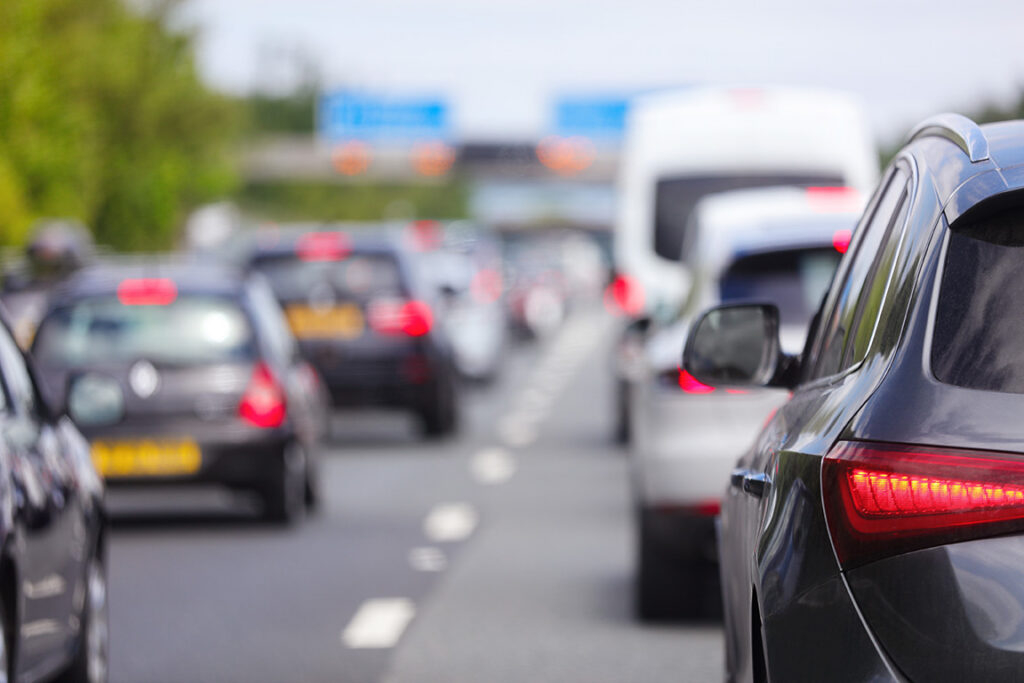



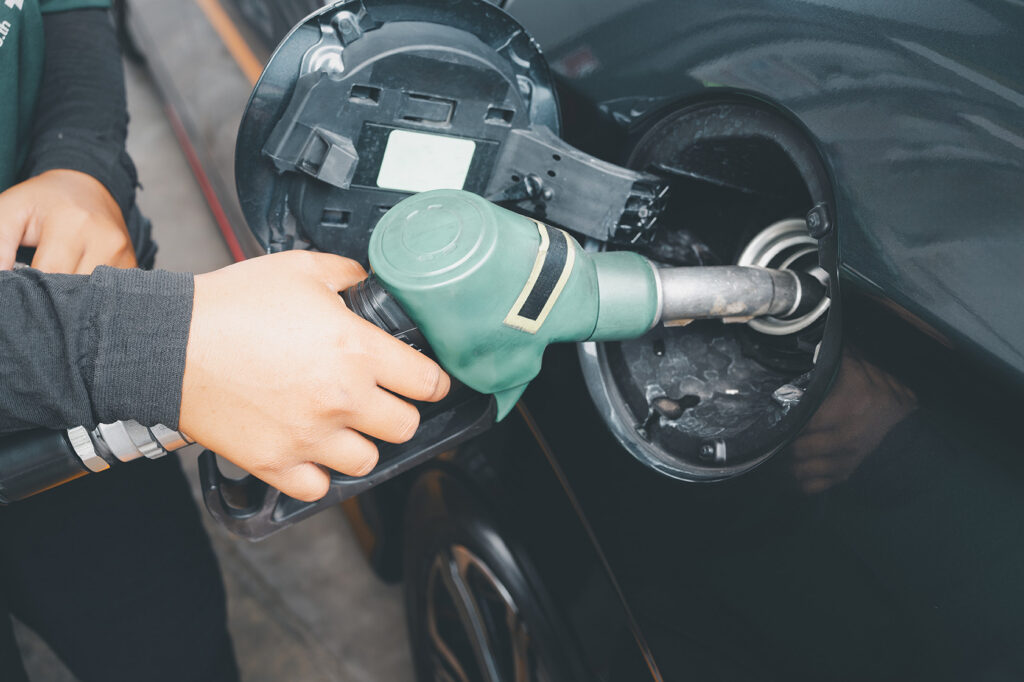

The commercial fleet sector is navigating unprecedented operational and financial volatility. Recent data confirms that UK diesel pump prices have officially surged into uncharted territory, with RAC figures revealing an all-time record average of 199.18p per litre, alongside petrol climbing past 174.23p. When forecourt prices hover on the brink of £2 per litre, the knock-on effect across commercial operations is immediate and severe. Fuel overheads represent one of the single largest variable costs in fleet management, directly eroding operating margins and complicating long-term budget forecasts. For organisations responsible for company cars, logistics, and van fleets, proactive cost control is no longer optional, it is a commercial imperative.
Global Trade Headwinds: The Threat of US Tariffs and Diesel Export Restrictions
Understanding today’s record forecourt pricing requires looking at international trade pressures and cross-border trade friction. A major factor driving volatility across domestic fuel terminals is the escalating trade policy debate in the United States.
Recent analysis highlights that US President Donald Trump and his administration have proposed aggressive protectionist trade measures. Including sweeping import tariffs and the prospect of restricting US diesel exports:
- Severe exposure for the UK fuel market: The UK relies heavily on global energy supplies. The official Department for Energy Security and Net Zero figures showing the US provided roughly 31% of Britain’s total diesel imports in 2025.
- The threat of supply limits and tariffs: Trump’s stated policy intention to restrict diesel exports, aimed at depressing domestic fuel prices in the US ahead of midterm elections, has sparked warnings of acute transatlantic supply bottlenecks.
- Diplomatic urgency: As reported by BBC News, the UK government has engaged in urgent talks to avert a potential ban or restrictive licensing measures.
- Compounding geopolitical friction: Coupled with broader tariffs on international goods and ongoing supply chain disruptions in the Middle East, wholesale energy markets have reacted with sharp price increases that flow directly to UK pumps.
For commercial operators running vehicle fleets, this means wholesale pricing instability and forecourt inflation are likely here to stay for the foreseeable future.
Why Spiralling Diesel Rates Hit Fleets Hardest
Unlike retail drivers who can choose to leave the car on the driveway, transport and service fleets do not have the luxury of parking up. When wholesale pressures trigger forecourt spikes, commercial balance sheets feel the pinch straight away:
- Margin erosion on fixed contracts: Fleets delivering on fixed-rate service-level agreements often cannot pass sudden fuel surcharges on to customers instantly. This leaves operating margins exposed.
- Cash flow volatility: Wild week-on-week price fluctuations make accurate monthly cash forecasting difficult for finance teams.
- Wear and tear multiplier: The bad driving habits that waste expensive diesel, like aggressive acceleration and harsh braking, also accelerate tyre wear, brake pad degradation, and mechanical component fatigue.
4 Actionable Steps Fleets Can Take to Cut Fuel Consumption
While fleet managers cannot control foreign policy, tariffs, or global crude prices, they possess total control over how fuel is consumed once it enters the vehicle.
Tackle Driver Behaviour with Targeted Training
The person behind the wheel is the single biggest factor determining how much fuel a vehicle burns. Telematics data consistently shows that erratic throttle usage, speeding, and late braking can inflate fuel consumption by 15% to 20% across identical routes.
Enrolling your drivers in dedicated FuelSave driver training delivers immediate returns. Practical coaching teaches drivers how to read traffic ahead, use progressive gear shifts, and smooth out throttle inputs. These defensive roadcraft techniques slash wasted litres, cut carbon emissions, and reduce incident rates on the road.
Clamp Down on Unnecessary Engine Idling
Leaving an engine running while parked up, making a delivery, or waiting at a depot burns through 1 to 2 litres of diesel an hour while achieving zero miles.
- Introduce a transparent, company-wide anti-idling policy in your driver handbook.
- Use telematics reporting to flag vehicles idling unnecessarily for longer than two minutes.
- Reward drivers who consistently maintain zero-idle working days.
Maintain Strict Tyre and Servicing Disciplines
Under-inflated tyres increase rolling resistance, forcing the engine to work much harder and burn extra fuel to maintain road speed:
- Make daily walkaround vehicle checks mandatory, focusing on tyre pressures and tread depth.
- Adhere strictly to preventative maintenance intervals; dirty air filters and misaligned wheels quietly drain fuel economy over every journey.
Optimize Routes and Remove Cargo Dead Weight
Hauling redundant weight or sitting in peak-hour traffic burns diesel for no operational return:
- Audit vans and company car boots to ensure tools, dead stock, and scrap materials are not being transported unnecessarily.
- Schedule multi-drop deliveries to avoid peak urban congestion and eliminate empty return legs.
How Fleet Service GB Can Help
Reining in operational costs in a high-inflation environment requires connected technology, clear data, and active risk management. Fleet Service GB provides integrated solutions designed to protect your bottom line.
Total Operational Control with Fleet Management
Through proactive, outsourced Fleet Management, Fleet Service GB oversees your entire vehicle lifecycle. We manage routine servicing schedules, audit maintenance work to prevent unnecessary mechanical wear, and monitor fuel transactions across your fleet. Our comprehensive reporting identifies cost spikes and mechanical inefficiencies before they damage your profits. Helping ensure your fleet operates reliably and cost-effectively.
Comprehensive Risk Mitigation with Driver Management
Vehicles do not burn excess fuel on their own, driving habits do. Our end-to-end Driver Management programme combines real-time licence validation, behavioural profiling, and targeted educational modules. By identifying poor driving traits early, we help you deploy targeted training. This includes FuelSave coaching, to instil safer, smoother, and more fuel-efficient driving habits across your entire team.
FAQs About Fleet Fuel Management
How does driver training reduce fleet fuel costs?
Driver training teaches practical eco-driving techniques such as smooth throttle control, early gear changing, momentum management, and speed moderation. Applying these principles across a commercial fleet typically reduces overall fuel consumption by 10% to 15% almost immediately.
What is FuelSave driver training?
FuelSave driver training is a specialised coaching course designed to encourage defensive, eco-conscious driving. It equips drivers with the skills to minimise fuel burn, cut tailpipe emissions, reduce mechanical wear, and maintain higher road safety standards.
How much fuel does an idling commercial vehicle waste?
An idling engine typically uses between 1 and 2 litres of fuel per hour. This depends on engine capacity and whether ancillary systems like air conditioning or heaters are active. Cutting out unnecessary idling across a fleet produces significant, immediate financial savings.
How does telematics data help fleets save on fuel?
Telematics technology monitors real-time driving behaviours including rapid acceleration, harsh braking, speeding, and extended idling periods. Fleet managers can use this operational data to spot inefficiencies, reward eco-friendly driving, and provide targeted coaching to drivers who need extra support.
Conclusion: Take Charge of Your Fleet Costs Today
Forecourt fuel prices and international trade tariffs remain volatile, but your business does not have to absorb spiralling overheads passively. By upgrading driving habits, enforcing vehicle maintenance disciplines, and removing operational waste, organisations can maintain healthy margins despite rising fuel costs.
Ready to protect your operating budget and improve fleet efficiency? Visit our dedicated Fleet Management and Driver Management pages today to discover how Fleet Service GB can help your business reduce fuel consumption, manage driver risk, and take control of operating expenditure.