

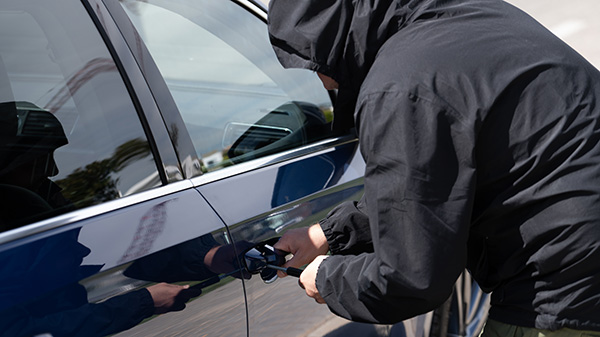



Organisational compliance and road transport governance require constant vigilance against emerging regulatory and physical risks. Recent investigations published by BBC News highlight a sharp increase in fraudulent number plates across the United Kingdom. Specialist camera trials across regional transport networks have uncovered thousands of motorists operating with illegal “ghost plates”, reflective acrylics or 4D-style digits engineered specifically to deflect infrared Automatic Number Plate Recognition (ANPR) cameras. This is alongside cloned registrations designed to dodge speeding fines, toll charges, clean air zones, and statutory documentation checks.
For corporate operators and transport leaders, the normalisation of vehicle identity fraud on British roads is more than an enforcement headline. It represents an urgent duty-of-care challenge. Below, we break down what ghost plates mean for commercial operations. Also, why your organisation could face wrongful penalties, and how proactive driver and vehicle controls safeguard your business.
What Are Ghost Plates and Why Are They on the Rise?
Ghost plates are vehicle registration marks crafted with specialised infra-red absorbing or scattering materials, heavily tinted acrylics, or modified 3D/4D lettering. While they appear legible to the human eye in daylight, they turn unreadable or reflective under infrared camera flashes.
Motivations behind fitting these illicit plates typically involve:
- Evading ANPR Enforcement: Avoiding automatic speeding penalties, bus lane fines, and parking charges.
- Bypassing Clean Air Schemes: Skirting congestion fees, low emission zones (LEZ), and ultra-low emission zone (ULEZ) billing.
- Concealing Serious Non-Compliance: Hiding vehicles that have no valid insurance, expired MOTs, or unpaid road tax.
- Masking Dangerous Motorists: Allowing disqualified or unlicensed individuals to operate on public roads without police detection.
Online suppliers and pop-up market stands sell show-plate materials with minimal vetting. This means criminals and irresponsible motorists exploit loopholes to dodge accountability. However, police forces are now fighting back with multi-spectrum AI enforcement cameras. These are capable of penetrating these reflective coatings and identifying vehicle makes, models, and true identities.
The Hidden Operational Threat to Commercial Fleets
When bad actors disguise their identity or clone legitimate registrations, legitimate transport operators bear the brunt of the fallout. Commercial fleets are prime targets for registration cloning because company vans, HGVs, and company cars are heavily driven. They are also uniform, and easily photographed in public.
The Administrative Drain of Incorrect PCNs
When an offender clones a plate matching one of your company vehicles, notice of intended prosecutions (NIPs) and Penalty Charge Notices (PCNs) arrive on your desk. Fleet administrators must spend valuable working hours pulling telematics records, fuel receipts, and delivery manifests to prove the vehicle was miles away from the alleged contravention.
Heightened Road Risk from Unchecked Drivers
Ghost plate users often avoid standard vehicle maintenance and driver vetting. If one of your employees is involved in a collision with an unregistered or ghost-plated vehicle, establishing liability, recovering repair costs, and managing downtime becomes complex and protracted.
Internal Compliance Loopholes
Do you have full visibility over grey fleet drivers, employees using their personal cars for business mileage? Without rigorous checks, a grey fleet worker could theoretically modify their plates or drive an untaxed, non-compliant vehicle while on company business. This would expose your business to severe corporate liability.
How Fleet Service GB Helps Protect Your Operation
Safeguarding an organisation requires an integrated approach that connects your assets directly to the individuals operating them.
Comprehensive Asset Visibility with FSGB Fleet Management
Maintaining robust, indisputable operational records is your primary defence against fraudulent fines and disputes. With Fleet Service GB Fleet Management, transport leaders gain complete oversight of fleet asset health, operational movements, and regulatory deadlines. Having auditable proof of where your vehicles are at any given moment allows your team to challenge fraudulent, cloned-plate penalty notices swiftly and decisively.
Proactive Driver Verification via FSGB Driver Management
Technology alone cannot guarantee safety if driver compliance is left unchecked. Through Fleet Service GB Driver Management, businesses establish a seamless, continuous safety culture:
- Automated DVLA Licence Checking: Identify penalty points, disqualifications, or category revocations automatically, rather than waiting for annual paper reviews. Check our dedicated DVLA licence checking guide to see how direct DVLA database integration prevents unlicenced driving.
- Robust Authority to Drive Onboarding: Before any employee, company van driver or grey fleet motorist, turns an ignition key, our structured Authority to Drive process validates their driving credentials. Looking at their fitness-to-drive declarations, and personal vehicle documentation (MOT, business insurance, and road tax) via the Achieve Driver App.
- Dynamic Driver Profiling: Continuous monitoring evaluates real-world driver behaviour, automatically flagging elevated risk and providing targeted interventions before incidents occur.
Best-Practice Checklist for Transport Managers
To shield your fleet from identity fraud and regulatory scrutiny, implement these steps today:
- Audit Physical Fleet Plates: Inspect company assets to ensure all number plates comply with the British Standard (BS AU 145e) and carry the supplier’s name and postcode.
- Tighten Grey Fleet Protocols: Require proof of valid road tax, current MOT, and business-use insurance before approving business expense mileage claims.
- Centralise Telematics and Journey Logs: Maintain easily retrievable records of routes and stop locations to counter rogue PCNs within the statutory appeal window.
- Automate Driver Vetting: Remove manual administration by scheduling continuous licence checks that flag newly applied endorsements or driving bans immediately.
Conclusion: Take Control of Your Fleet Governance
The proliferation of ghost plates and vehicle cloning proves that external road networks present ever-evolving operational risks. You cannot control every motorist on the road, but you can maintain total governance over your internal operations, assets, and drivers.
Discover how Fleet Service GB Fleet Management and Fleet Service GB Driver Management work hand-in-hand to simplify compliance. Also, protecting your reputation, and keeping your drivers safe. Get in touch with our team today to streamline your fleet controls.
FAQs About Ghost Plates
What are ghost plates on UK vehicles?
Ghost plates are illegal number plates that use specialised reflective coatings, infrared-absorbing materials, or non-compliant 4D lettering to stop Automatic Number Plate Recognition (ANPR) and speed cameras from reading vehicle registrations.
Are ghost plates illegal to use on public roads in the UK?
Yes. It is illegal to display number plates that obscure the registration mark or fail to meet the BS AU 145e standard. Drivers caught using them face fines of up to £1,000, failed MOTs, vehicle seizure, and potential prosecution for attempting to pervert the course of justice.
What should a fleet manager do if a company vehicle registration has been cloned?
Contact the issuing police force and the relevant local authority or charge operator immediately. Supply telematics data, dashcam footage, and delivery manifests demonstrating that your company vehicle was elsewhere at the time of the contravention.
How can fleet management software help resolve cloned plate disputes?
Fleet management solutions log vehicle telemetry, maintenance history, and journey logs, providing verifiable, time-stamped proof of where your vehicle was located to quickly overturn fraudulent PCNs and penalty notices.