


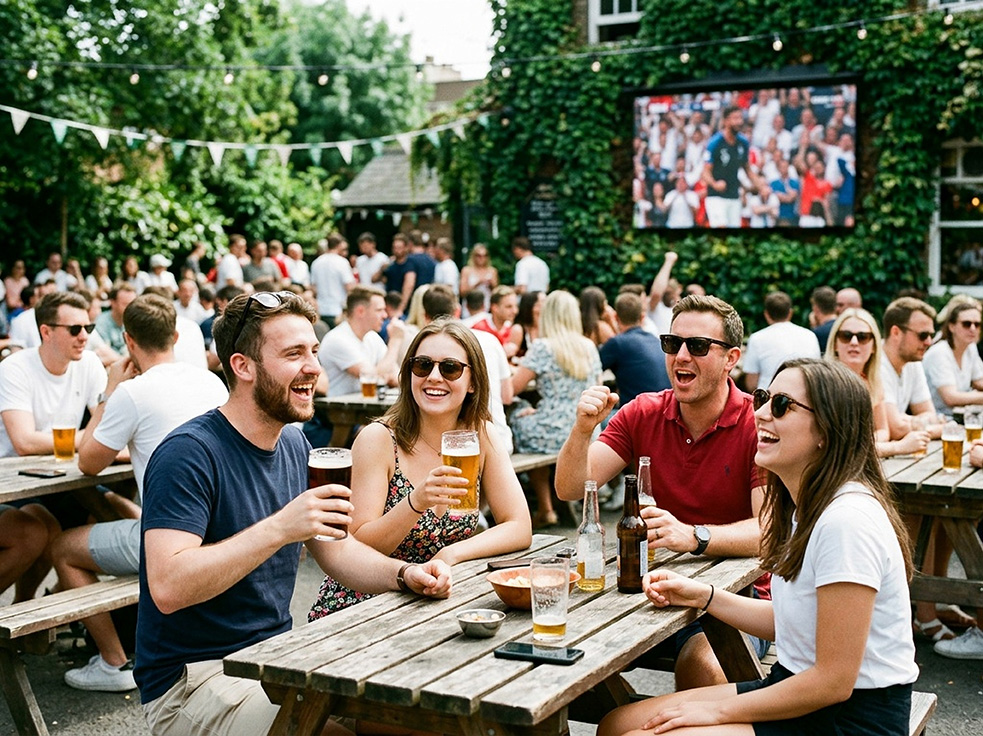
With the World Cup in full swing, football fever has officially taken over the UK. The flags are flying, the pubs are packed, and fans are enjoying a pint or two while cheering on England. It’s brilliant for team spirit, but for business owners and fleet managers, it brings a major headache: the dreaded morning-after drink-driving risk.
Many drivers simply don’t realise that a few drinks during an evening match can easily remain in their system the following morning. If they jump straight into a company car or van at 7:00 AM, they could still be over the legal limit.
As a business, you have a duty of care to ensure your drivers are safe. Let’s look at how you can manage these morning-after fleet risks, keep your drivers safe, and protect your company’s reputation.
The Rising Threat of Morning-After Drink-Driving
During major football tournaments, we always see a sharp rise in drink-drive incidents. It is not always about people driving home straight from the pub; a huge portion of offences happen the next day.
Police forces across the UK are well aware of this pattern. In fact, we regularly see a summer crackdown by police on morning-after drink-driving, with officers setting up early-morning checkpoints to catch drivers who are unknowingly still over the limit.
According to official UK Government guidelines on drink-driving penalties, being caught over the limit can result in a driving ban, a hefty fine, and even prison time. For a business, the fallout of an employee being banned or involved in an accident is devastating—affecting everything from your insurance premiums to your daily operations.
Actionable Tips to Manage Fleet Risks During the Tournament
How can you protect your fleet while still letting your team enjoy the football? Here are some simple, practical steps you can take today:
- Run an internal awareness campaign: Remind your drivers how long alcohol actually stays in the system. Simple reminders in team chats or newsletters can make a world of difference.
- Establish a clear “morning after” policy: Encourage staff to work from home the morning after a big game if their role allows, or arrange for later start times for those who need to drive.
- Invest in single-use breathalysers: Keep these in company vehicles or at the office so drivers can quickly and easily test themselves before turning the key.
- Implement continuous driver monitoring: Prevention is always better than cure. Using technology to keep an eye on driver behaviour can help you spot risks before they turn into accidents.
Mitigate Risks with Active Driver Management
Educating your drivers is a great start, but how do you keep track of safety when your fleet is out on the road? This is where proactive driver support becomes invaluable.
At Fleet Service GB, we believe that looking after your drivers is the key to running a safe, efficient fleet. Through our comprehensive Driver Management services, we help businesses monitor, educate, and support their team behind the wheel.
Spotting Red Flags with Driver Behaviour Monitoring
One of the most effective tools in your arsenal during high-risk periods like the World Cup is our dedicated driver behaviour monitoring system.
By tracking key safety metrics, our technology helps you:
- Identify sudden changes in driving style (like harsh braking or rapid acceleration) which can indicate fatigue or impairment.
- Build a clear, data-driven picture of driver risk across your entire fleet.
- Deliver targeted coaching and training to the drivers who need it most.
By combining real-time data with proactive support, you can foster a safer driving culture that naturally discourages risky behaviour, not just during the football, but all year round.
FAQs About Morning-After Drink-Driving
How long does it take for alcohol to leave your system?
On average, it takes about one hour for your body to process one unit of alcohol. However, this varies wildly depending on your weight, gender, age, metabolism, and how much food you have eaten. There is no foolproof way to speed up this process, neither coffee, a cold shower, nor a greasy breakfast will make you sober faster.
Can I drive the morning after drinking if I feel fine?
No. Feeling fine does not mean you are under the legal limit. Alcohol impairs your reaction times, coordination, and judgment long before you “feel” drunk, and it can remain in your bloodstream for many hours after your last drink.
What is the legal drink-drive limit in the UK?
In England, Wales, and Northern Ireland, the legal limit is 80 milligrams of alcohol per 100 millilitres of blood. In Scotland, the limit is much lower at 50 milligrams per 100 millilitres of blood. Because it is impossible to calculate your own limit accurately, the safest option is always to avoid drinking any alcohol if you plan to drive.
FAQs About Fleet Service GB
What services does Fleet Service GB offer?
We offer a complete, end-to-end fleet management solution designed to take the hassle out of running your company vehicles. From maintenance management and breakdown support to driver risk assessments and compliance, we handle it all. Learn more on our Fleet Management page.
How does Fleet Service GB improve driver safety?
We take a driver-centric approach to fleet safety. Through our bespoke Driver Management programme, we provide online risk assessments, driver training, behaviour monitoring, and support systems that actively reduce accident rates and protect your business from liability.
Conclusion: Keep Your Fleet Safe This Summer
The World Cup is a time for celebration, but it shouldn’t come at the cost of road safety or your business’s livelihood. By educating your drivers, setting clear boundaries, and utilizing smart monitoring tools, you can successfully navigate the morning-after drink-drive risks.
If you want to ensure your drivers are safe, compliant, and performing at their best, Fleet Service GB is here to help.
Get in touch today to explore our Fleet Management solutions or discover how our Driver Management tools can protect your team.