




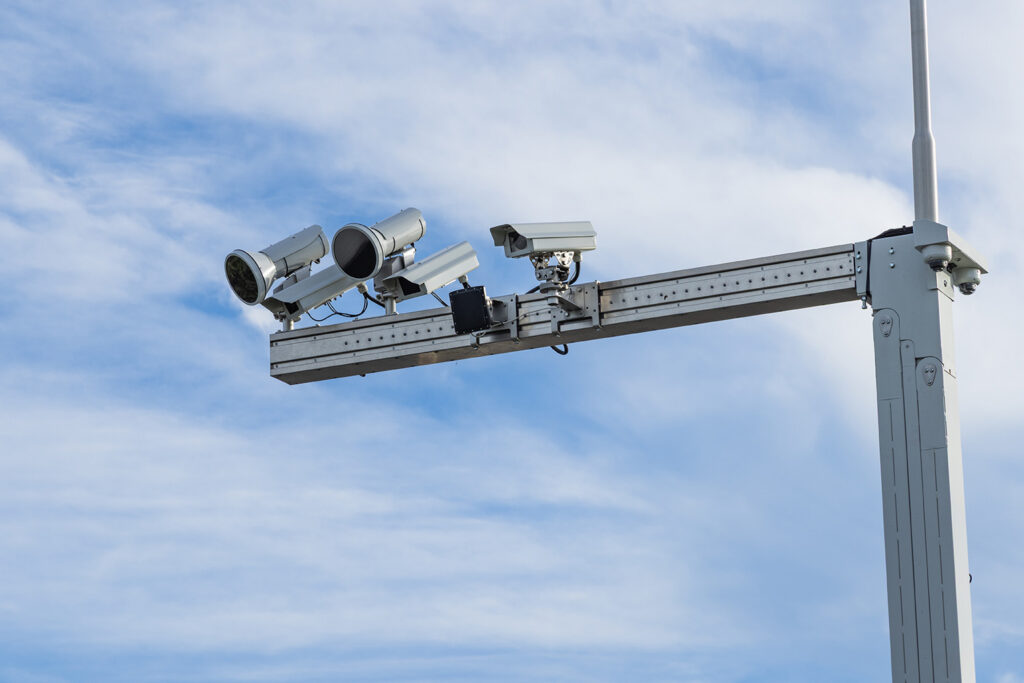
Following the Home Office’s decision to revoke evidential approval for variable speed cameras, commercial fleet operators face a blind spot. This affects England’s smart motorways and key A-road corridors, creating immediate behavioural and compliance challenges.Currently, national headlines focus on motorists escaping automated penalties after National Highways discovered a second technical fault. However, suspending gantry enforcement removes a primary external deterrent against speeding. Without active internal driver monitoring, this exposes businesses to heightened collision risks, elevated fuel burn, and severe Duty of Care liabilities.
For UK Fleet Managers and Operations Directors, relying on statutory road infrastructure to regulate driver behaviour is risky. When automated enforcement drops offline, fleets without real-time telematics governance and proactive risk intervention are flying blind. This leaves them vulnerable on the UK’s busiest commercial arteries.
How does the smart motorway camera shutdown impact fleet risk and compliance?
According to BBC News, the Home Office withdrew approval for variable speed camera footage to be used in legal proceedings. This followed a fresh technical anomaly uncovered on stretches of road in Cambridgeshire. Earlier faults had already affected 154 out of 400 cameras nationwide. While mobile speed vans, marked police patrols, and static cameras remain active, automated variable enforcement is temporarily removed. This changes the psychological landscape for commercial drivers.
Drivers eventually realise overhead gantry cameras on routes like the M1, M6, M25, and A14 are not issuing automated NIPs. When they do, average cruising speeds inevitably creep upward. For a commercial fleet, even a marginal increase in motorway speeds creates compounding operational damage:
- Escalating Collision Severity: Higher impact speeds dramatically increase kinetic energy during a crash, turning minor shunts into major write-offs and inflating Vehicle Off-Road (VOR) downtime.
- Accelerated Component Wear: Sustained high-speed driving places excessive thermal and mechanical stress on tyres, braking systems, and powertrains, driving up unscheduled Service, Maintenance, and Repair (SMR) expenditure.
- Surging Fuel and Energy Consumption: Aerodynamic drag increases exponentially above 60mph, eroding fuel economy across internal combustion vans and severely depleting battery range across electric commercial vehicles.
- Corporate Manslaughter and Health and Safety Exposure: Under the Health and Safety at Work etc. Act 1974, an employer’s Duty of Care applies regardless of whether National Highways’ cameras are operational. If a company driver is involved in a high-speed incident while gantry enforcement is suspended, the HSE will intervene. They will scrutinise the employer’s internal speed governance, rather than the state of roadside infrastructure.
What should Fleet Managers do when external road enforcement fails?
To close the compliance gap left by disabled variable speed cameras, Operations Directors must shift their approach. They need to move from reactive penalty processing to proactive, data-led driver management. Waiting for a NIP to land on the desk before addressing speeding behaviour is no longer viable. This approach simply fails when automated roadside detection is paused.
Centralise Telematics and Behavioural Risk Data
Many organisations collect telematics data, yet struggle to turn raw GPS pings into meaningful operational interventions. This happens because safety, maintenance, and compliance systems sit in disconnected silos.
At Fleet Service GB, we eliminate these blind spots through our in-house built Achieve Software Hub. Acting as a single, centralised data engine, the platform unifies live telematics, SMR histories, grey fleet records, and driver profiles. Everything is brought together into one unified dashboard.
Instead of relying on police prosecutions to flag high-risk individuals, Fleet Managers can identify persistent speeding trends in real time. They can then cross-reference these trends against harsh braking events. This allows them to trigger targeted e-learning or coaching interventions before a collision occurs.
Audit Historical Penalty Points and Insurance Declarations
The recent camera anomalies saw thousands of wrongful activations and subsequent fine reimbursements. This also creates an administrative headache for fleet compliance teams. Drivers who previously accepted penalty points or speed awareness courses in error may see changes. Those endorsements could now be removed from their DVLA records.
- Verify Live Licence Status: Conduct automated DVLA licence checks to ensure your compliance records reflect accurate endorsement totals following police reimbursements.
- Update Motor Fleet Insurers: Ensure your broker and underwriters hold accurate risk profiles so your organisation is not penalised at renewal for rescinded points.
- Maintain Two-Way Driver Communication: Using the Achieve Driver App, fleet operators can push instant policy updates, verify daily walk-around checks, and ensure drivers understand that variable speed limits on smart motorways remain legally binding – and actively policed by traffic officers – despite the gantry camera pause.
Protect Budgets Through In-House SMR and Accident Control
When external speed deterrents weaken, the financial fallout often surfaces in the workshop months later. This shows up through premature tyre replacements, warped brake discs, and avoidable bodyshop repairs.
Within our maintenance management and accident management programmes, we outsource nothing. Our in-house qualified engineers scrutinise every SMR authorisation and repair estimate. They rigorously challenge inflated garage quotes and verify whether drivers influenced the wear-and-tear. They also compress workshop lead times to keep vehicles earning.
Proven Results: How Proactive Governance Cuts Fleet Costs
Replacing reliance on external enforcement with structured internal governance delivers measurable financial and safety returns across complex, multi-vehicle operations:
- LiveWest: While expanding its fleet by 144% (growing from 210 to 514 vehicles), LiveWest partnered with Fleet Service GB to embed rigorous driver risk management and centralised data visibility. As a result, the organisation slashed crash repair costs by 36%, cut insurance claims from 17% to 6%, reduced driver-influenced maintenance by 13%, lowered overall mileage by 16%, and delivered £86,571 in direct annual savings.
- Platform Housing Group: By co-developing an award-winning risk management and compliance framework powered by our centralised technology, Platform Housing Group achieved over 98% compliance across its entire operation – spanning commercial vans, company cars, and grey fleet drivers.
FAQs About Smart Motorway Camera Faults and Fleet Compliance
Are variable speed limits still legally enforceable if gantry cameras are turned off?
Yes. Variable speed limits displayed on overhead smart motorway gantries remain fully legally binding under UK road traffic law. Although the Home Office revoked approval and paused fixed gantry camera enforcement, police traffic patrols, unmarked units, and mobile camera vans continue to prosecute speeding drivers.
How does the smart motorway camera fault affect fleet Duty of Care?
An employer’s statutory Duty of Care under health and safety legislation is unaffected by roadside camera outages. Fleet operators remain legally responsible for monitoring driver speed, maintaining roadworthy vehicles, and preventing work-related road risk using internal telematics and robust driver management policies.
What happens if a company driver received wrongful speeding points from a faulty camera?
Police forces and National Highways have committed to cancelling invalid prosecutions, reimbursing fines, and removing wrongful DVLA penalty points. Fleet Managers should run updated DVLA licence checks to confirm the DVLA cleared the endorsements and notify fleet insurers to prevent unfair premium increases.
How can fleets prevent speeding without relying on speed cameras?
Fleets can prevent speeding by integrating live telematics feeds into a centralised management platform to monitor real-time speed exceptions against posted road limits. Combining automated exception alerts with targeted driver coaching and mobile app engagement reduces speeding incidents and lowers fuel and maintenance costs.
Take Control of Your Fleet Risk Today
Roadside infrastructure faults should never dictate the safety, compliance, or profitability of your commercial fleet. By combining our proprietary Achieve Software Hub, the Achieve Driver App, and 100% in-house engineering expertise, Fleet Service GB gives Operations Directors total visibility and control over driver behaviour, maintenance spend, and incident reduction.
Explore our end-to-end fleet management solutions or speak with our specialist team today to safeguard your drivers and your bottom line.