


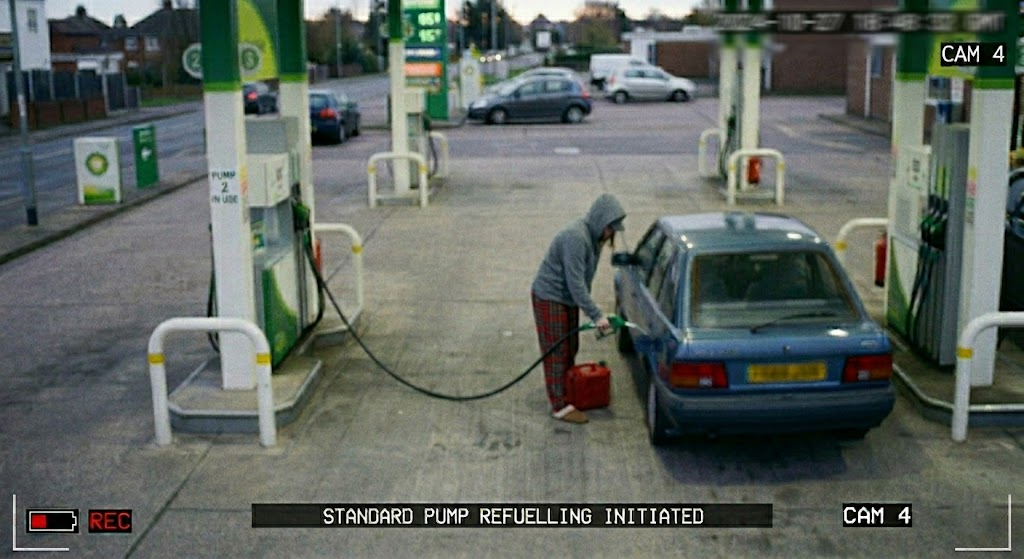
If you’ve been keeping an eye on the news lately, you might have spotted a rather unusual story from North Wales. A woman, caught on CCTV in her pyjamas, has been allegedly helping herself to diesel at various petrol stations in Gwynedd without paying.
While the image of a ‘pyjama thief’ might sound like something out of a quirky sitcom, for fleet managers and small business owners, it’s a sign of a much more serious problem. As Mari Elin Jones, owner of Garej Ni in Pwllheli, rightly pointed out: “It’s becoming expensive just to get around now, and we have to be careful because people might become desperate.”
In this post, we’ll look at why fuel theft is on the rise, how the current global climate is hitting your bottom line, and most importantly, what you can do to protect your fleet.
Why are Fuel Prices Skyrocketing?
It’s no secret that the forecourt is a painful place to be right now. Since the start of March, UK petrol prices have jumped by a staggering 18%. This spike is largely driven by the ongoing US-Israel war with Iran, which has sent shockwaves through the global energy market.
According to the RAC, while a temporary ceasefire in the Gulf has recently slowed the rate of increase, we’ve already endured 43 consecutive days of price hikes. For a fleet manager running multiple vehicles, those extra pennies per litre quickly turn into thousands of pounds in unforeseen overheads.
The Rise of the ‘Drive-Off’
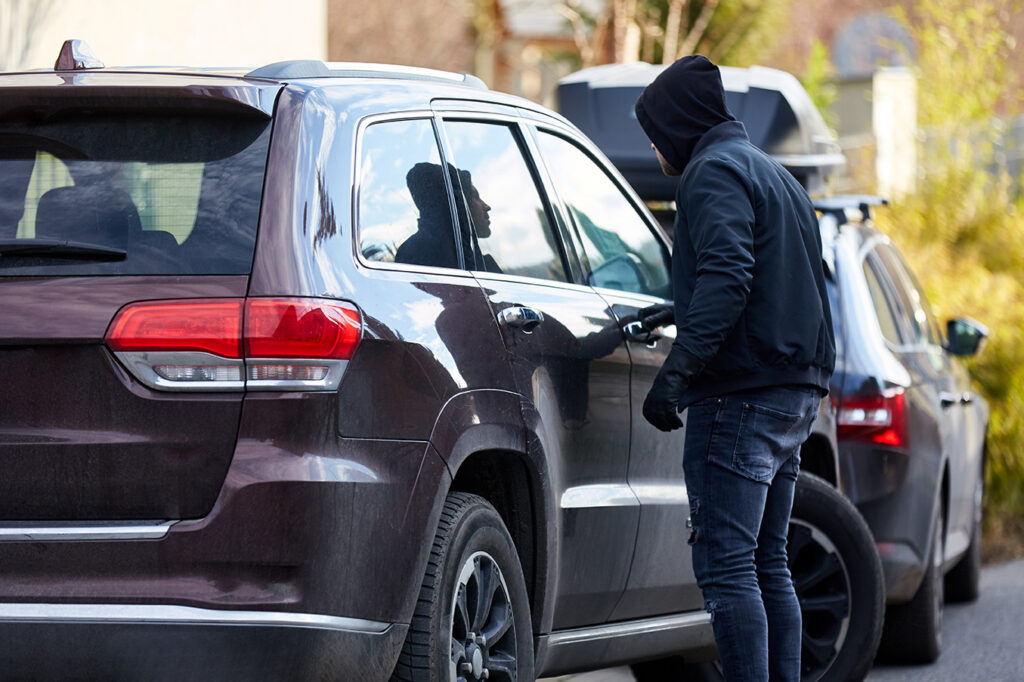
When fuel becomes a luxury, theft becomes a trend. The “woman in pyjamas” incident isn’t an isolated case; police are investigating a series of thefts across North Wales. These “drive-offs” aren’t just hitting the pockets of garage owners; they represent a wider security risk for the entire transport industry.
How to Prevent Fuel Theft and Protect Your Assets
To keep your fleet safe in this high-pressure environment, you need a mixture of common sense and clever tech. Here are a few actionable steps:
- Driver Awareness: Fuel theft drives the cost at the pumps up for everyone. Ensure your drivers are trained to spot “unusual” behaviour at the pumps. This includes parked far from the pump or drivers keeping their hoods up.
- Secure Fuel Cards: Moving away from “pay at pump” with company credit cards to dedicated fuel cards can provide better tracking and security.
- CCTV and Dashcams: If you suspect you have captured a fuel theft contact the garage and make the footage available to the police. Ensure your fleet is equipped with front and rear-facing cameras.
- Route Optimisation: The less time your drivers spend idling in traffic or taking long routes, the less fuel you use. This also means they visit high-risk forecourts less often.
How Fleet Service GB Can Help You Manage Costs
Navigating these challenges alone is tough. That’s where Fleet Service GB comes in. Our FSGB Fleet Management platform is designed to give you total visibility over your spending.
We help you tackle rising fuel prices by:
- Analysing Data: Spotting fuel efficiency trends across your entire fleet to identify where money is being wasted.
- Strategic Support: Helping you implement cost-saving measures that actually work in the real world.
- Streamlined Maintenance: Keeping vehicles in top condition so they run as efficiently as possible.
Don’t Forget the Human Element
Your drivers are your biggest asset, but they can also be your biggest risk if not managed correctly. Our Fleet Service GB Driver Management programme focuses on safety and efficiency. By coaching drivers on better road habits, you can reduce fuel consumption and ensure they are equipped to handle security risks on the road.
FAQs About Fuel Theft Prevention & Rising Costs
Why is fuel theft increasing in 2026?
Economic desperation, driven by an 18% rise in fuel prices due to geopolitical tensions in the Middle East. This has led to an increase in “drive-off” incidents at UK petrol stations.
How can a fleet manager reduce fuel costs?
Managers can reduce costs through route optimisation, monitoring driver behaviour to reduce idling, and using a comprehensive fleet management system to track every penny spent at the pump.
What should a driver do if they witness a fuel theft?
Drivers should never intervene directly. They should note the vehicle’s make, model, and registration number (if safe) and report the incident to the petrol station staff and their fleet manager immediately.
FAQs About Fleet Service GB
What does Fleet Service GB do?
We provide technology-led fleet and driver management services. This helps businesses reduce costs, ensure compliance, and improve the safety of their drivers.
How do I get started with FSGB?
You can visit our website or speak with one of our experts about tailoring a management plan.
Conclusion
The current climate of rising fuel prices and increased theft risk is a “perfect storm” for UK fleets. Whether it’s a woman in pyjamas in Gwynedd or a global conflict thousands of miles away, the impact on your business is real. However, by staying proactive and using the right tools, you can weather the storm.
Ready to take control of your fleet’s future and stop the drain on your budget?
Learn more about our Fleet Management and Driver Management services today. See how Fleet Service GB can protect your bottom line.