


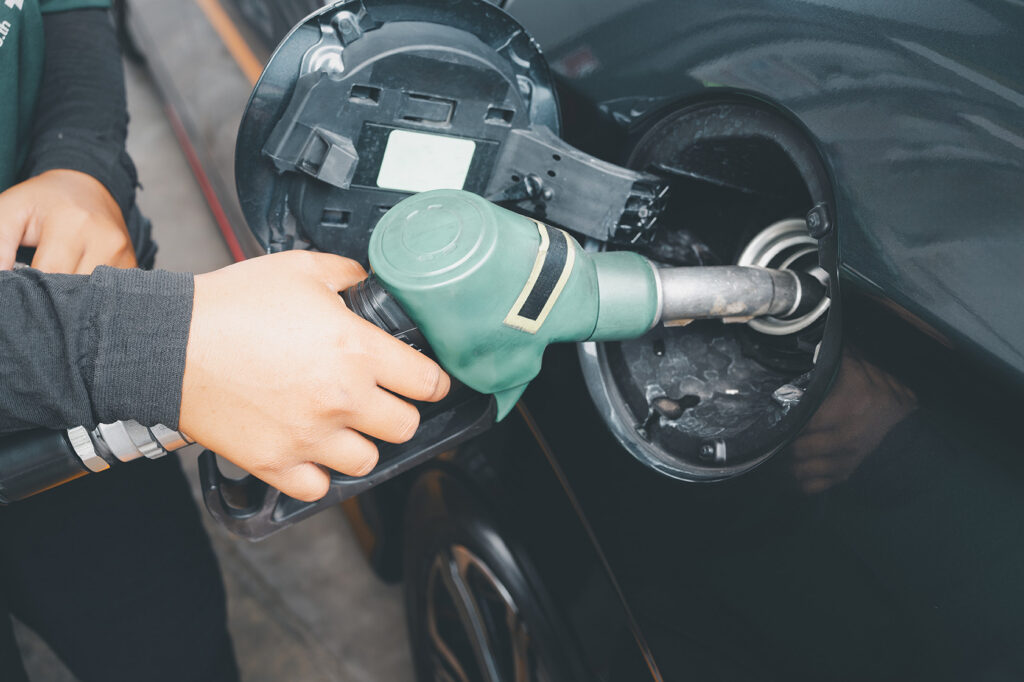

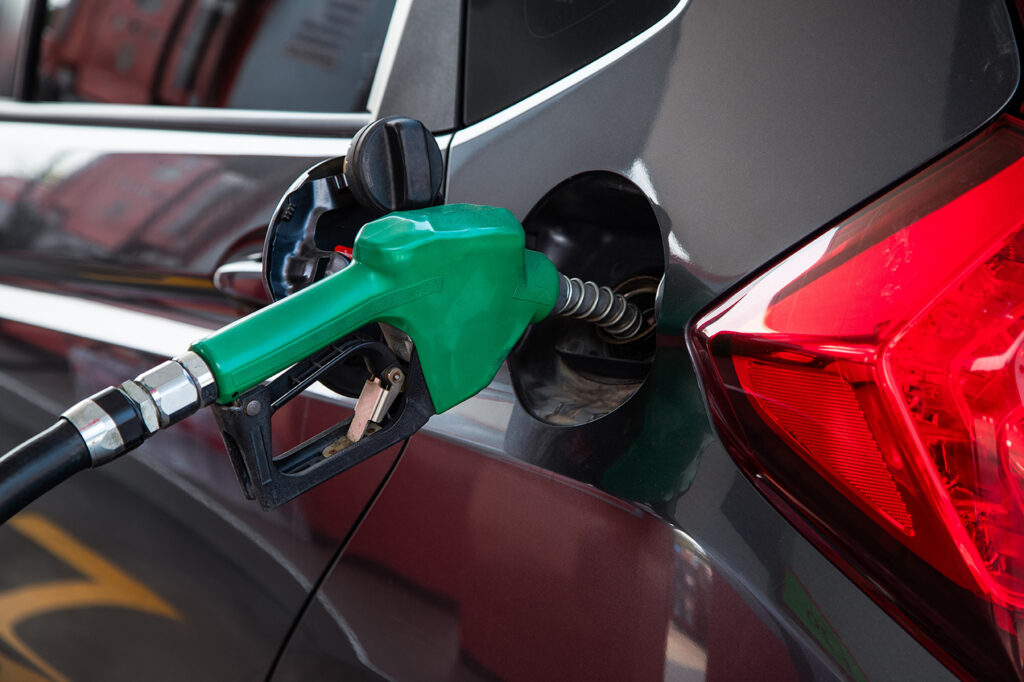
If you run a fleet in the UK, seeing Brent crude oil hit $100 a barrel is enough to give anyone a headache. As global crude prices climb, the ripple effect at local forecourts is almost immediate. Higher petrol and diesel prices at the pump directly squeeze operating margins, leaving fleet managers with the challenge of keeping vehicles moving without blowing the budget.
While you cannot control international oil markets, you can control how efficiently your fleet operates. In this guide, we break down what this price surge means for your business and share actionable strategies to cut fleet fuel costs right now.
Why Rising Brent Crude Prices Impact UK Fleets
When crude oil prices climb towards $100 a barrel, wholesale fuel prices follow close behind. According to industry analysis on Brent crude hitting $100 a barrel, sharp increases in crude lead to rapid price hikes at the pump, making fuel one of the largest unpredictable operational expenses for commercial fleets.
Commenting on the volatility in the fuel market, Simon Williams, head of policy at the RAC, warned that when global oil prices spike, UK pump prices react sharply: “Fuel prices are shooting up like a rocket on the back of rising crude markets.”
Fuel usually accounts for up to 30% or more of a commercial fleet’s total running costs. When pump prices rise suddenly, the financial impact is felt across every part of the business:
- Eroded Profit Margins: Fixed-rate customer contracts become far less profitable when trip costs surge.
- Increased Cash Flow Strain: Paying more for every fill-up puts immediate pressure on working capital.
- Budget Forecasting Headaches: Fluctuating fuel costs make accurate financial planning difficult.
As discussed in our look at the implications of fuel price increases on the fleet industry, businesses that rely on reactive measures usually end up absorbing these high costs. The key to staying profitable is putting proactive fuel management strategies in place today.
5 Actionable Ways Fleet Managers Can Cut Fuel Costs
Reducing fuel expense isn’t about asking drivers to make fewer deliveries; it is about eliminating waste and getting the maximum miles out of every single gallon. Here are five practical steps you can implement today.
Optimise Routes and Eliminate Unnecessary Mileage
The shortest distance on a map isn’t always the most fuel-efficient route. Traffic jams, heavy stop-start urban driving, and roadworks consume significantly more fuel than steady cruising on open roads.
- Use smart route planning software: Plan journeys around real-time traffic data to avoid heavy congestion.
- Consolidate multi-stop trips: Group deliveries geographically to reduce total miles driven.
- Eliminate unauthorised vehicle use: Ensure company vehicles are only used for intended business activities.
Improve Driver Behaviour Behind the Wheel
How a vehicle is driven directly influences its fuel consumption. Smooth, anticipation-based driving can cut fuel usage by 10% to 15% across a fleet.
Key habits that burn excess fuel include:
- Excessive idling: Engine idling burns between 1 to 2 litres of fuel per hour without moving an inch.
- Harsh acceleration and braking: Rapid acceleration drains fuel quickly, while sudden braking wastes the kinetic energy just generated.
- Speeding: Driving at 80 mph uses roughly 25% more fuel than driving at 70 mph on the motorway.
Investing in structured Driver Management services helps identify high-risk or inefficient driving habits through telematics data, allowing you to provide targeted training that lowers fuel bills and improves road safety.
Streamline Purchases with Dedicated Fuel Card Administration
If your drivers are paying for fuel with corporate credit cards, petty cash, or pay-and-reclaim systems, you are likely overpaying. Without centralised controls, drivers may buy fuel at expensive motorway service stations rather than cheaper regional forecourts.
By implementing specialised fuel card administration, fleet managers gain:
- Discounted forecourt rates: Access to competitive fuel pricing across UK networks.
- Strict purchasing controls: Prevent non-fuel purchases and restrict card usage to specific fuel types or spending limits.
- Simplified HMRC compliance: Consolidated digital invoices eliminate missing VAT receipts and streamline administration.
Keep Vehicles in Peak Mechanical Condition
A poorly maintained vehicle works harder and burns more fuel to achieve the same performance. Routine preventative maintenance ensures every engine in your fleet is running as efficiently as possible.
Focus on these crucial maintenance checks:
- Tyre Pressure: Under-inflated tyres increase rolling resistance, which can boost fuel consumption by up to 3%.
- Engine Servicing: Dirty air filters, worn spark plugs, and old engine oil force engines to drag and waste fuel.
- Wheel Alignment: Misaligned wheels increase friction and cause unnecessary engine strain.
Monitor Fleet Data to Spot and Fix Waste Fast
You can’t manage what you don’t measure. Combining telematics, mileage logs, and fuel card transaction data gives you complete visibility over your fleet’s true fuel efficiency (MPG).
Look for red flags such as:
- Sudden drops in MPG for specific vehicles (indicating maintenance issues).
- Discrepancies between gallons purchased on a fuel card and mileage recorded on the odometer.
- High idling times recorded during specific shifts or routes.
How Fleet Service GB Helps You Beat Rising Fuel Costs
Managing fuel efficiency while handling day-to-day fleet logistics can feel overwhelming. That’s where Fleet Service GB comes in.
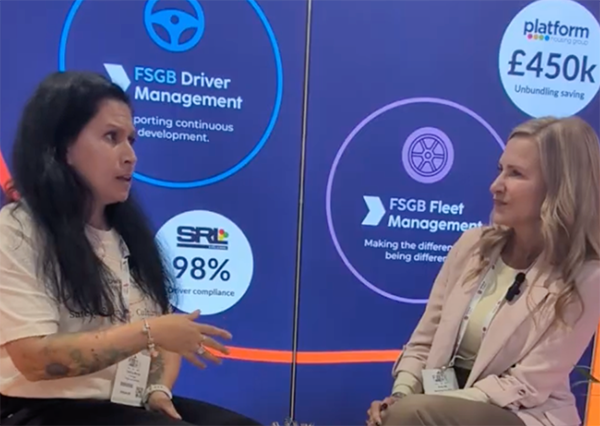
We provide fully integrated, technology-driven solutions designed to streamline every aspect of vehicle and driver operations. Through our comprehensive Fleet Management solutions, we help UK businesses reduce operating expenses, improve safety, and maintain full compliance.
Our bespoke services include:
- End-to-End Fuel Card Administration: Total visibility and control over fuel spend with automated transaction reporting and fraud detection.
- Proactive Driver Management: Comprehensive driver profiling, licence checking, and targeted training to encourage smooth, fuel-efficient driving.
- Maintenance & Repair Management: Keeping your vehicles in peak condition to prevent fuel-wasting mechanical issues.
- Actionable Analytics: Easy-to-understand reporting that highlights exactly where your fleet is losing money on fuel.
FAQs About Fleet Fuel Costs and Fleet Service GB
What happens to fleet budgets when Brent crude hits $100 a barrel?
When Brent crude reaches $100 per barrel, wholesale fuel prices increase rapidly. For fleet operators, this translates directly to higher forecourt prices for diesel and petrol. Because fuel represents one of the largest variable expenses for a fleet, overall operating budgets increase significantly unless proactive measures—like route optimisation, driver training, and fuel card controls—are implemented.
How can fleet managers reduce fuel consumption quickly?
Fleet managers can achieve rapid reductions in fuel usage by focusing on three immediate areas:
- Stopping unnecessary engine idling during stops.
- Enforcing tyre pressure checks across all fleet vehicles.
- Restricting fuel card usage to low-cost forecourts rather than high-margin motorway stations.
How does fuel card administration save money for fleets?
Fuel card administration saves money by consolidating all fuel purchases into a single, managed platform. It provides access to discounted forecourt pricing, prevents fraudulent or non-fuel transactions, eliminates manual expense claim errors, and provides precise data on every litre of fuel purchased.
What is Fleet Service GB and how does it support businesses?
Fleet Service GB is an industry-leading UK fleet management partner. We offer end-to-end support for businesses operating cars and commercial vehicles. Our services combine advanced technology with expert human support to manage vehicle maintenance, driver safety, compliance, fuel administration, and overall fleet cost optimisation.
How do Fleet Service GB’s driver management services lower fuel bills?
Fleet Service GB’s Driver Management platform tracks key telematics metrics such as harsh acceleration, heavy braking, speeding, and idling. By identifying inefficient driving patterns, we help businesses deliver targeted coaching that promotes smoother driving habits—reducing fuel usage by up to 15% while improving driver safety.
Protect Your Fleet’s Bottom Line Today
Surging oil prices and $100 Brent crude don’t have to ruin your profitability. By combining driver engagement, smart maintenance, and strict fuel controls, you can cushion your business against forecourt price volatility.
Partnering with an expert team makes all the difference. Discover how Fleet Service GB can help you lower running costs, improve efficiency, and take complete control of your fuel spend:
- Explore our complete range of Fleet Management Services
- Learn more about our proactive Driver Management Solutions
Ready to reduce your fleet fuel costs? Contact the team at Fleet Service GB today to discuss a tailored fuel and fleet management plan for your business.