


Why Are LED Headlights Under Review?
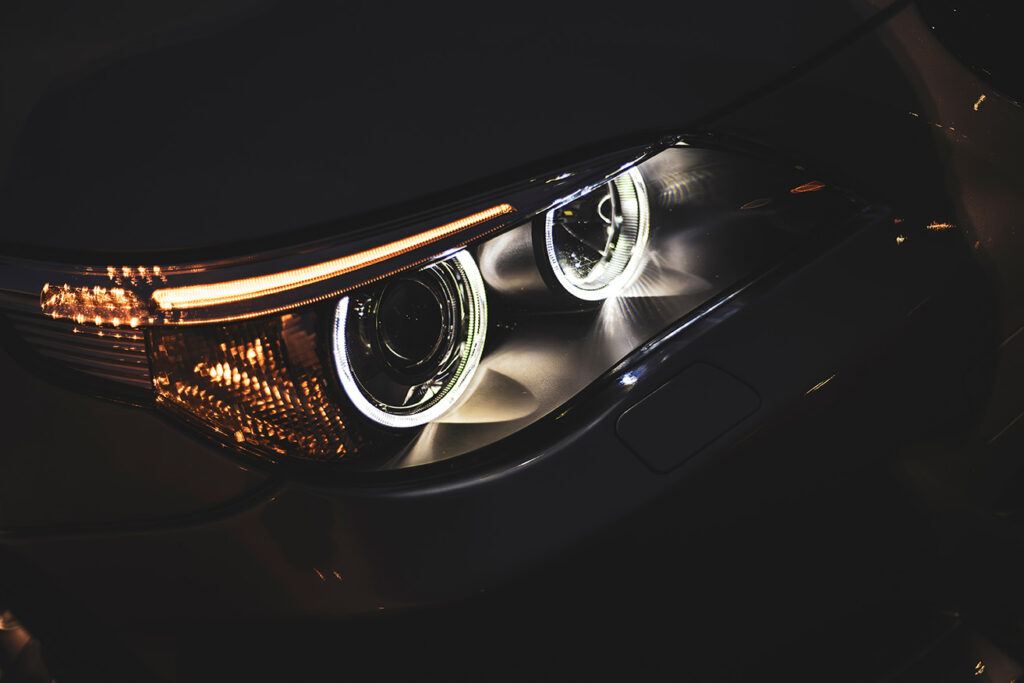
If you’ve found yourself squinting against oncoming cars at night lately, you’re definitely not alone. Growing numbers of UK drivers are complaining about being “blinded” by overly bright LED headlights — and now the government is stepping in.
The Department for Transport (DfT) has announced plans to review the design of car headlamps and vehicle standards after a rise in complaints about glare on UK roads. The findings will feed into the government’s new Road Safety Strategy, which is also expected to address drink-driving limits and eyesight tests for older drivers.
This review follows delayed research commissioned last winter into the causes and effects of headlight glare. The results are expected soon, along with a new round of studies focusing on vehicle design, headlamp positioning, and beam aim. All key factors in how much glare other drivers experience.
What’s Causing the Problem?
Poor Beam Aiming and Vehicle Design
Experts say it’s not just about the brightness. Thomas Broberg, Volvo’s senior safety advisor, told the BBC that poor beam aiming and road shape are major reasons glare has become such an issue. SUVs and larger vehicles, with their headlights set higher, can make things worse. This is particularly bad when carrying heavy loads that alter the beam angle.
Some newer models come with adaptive headlights or automatic dipping systems that lower the beams when they sense an oncoming vehicle. However, these systems aren’t perfect — and sometimes react too slowly, especially for cyclists and pedestrians.
Illegal LED Retrofits
Another cause is drivers retrofitting halogen bulbs with LED ones. While tempting for a brighter light, this is actually illegal if the car isn’t designed for it. This additional modifications won’t pass an MOT. The Driver and Vehicle Standards Agency (DVSA) is now tightening checks and working to stop the sale of illegal retrofit bulbs.
How Drivers Are Being Affected
It’s not just a small irritation — for many drivers, especially older ones, headlight glare is a serious safety issue. According to road safety consultant Rob Heard, a 16-year-old’s eyes can recover from glare in about one second, while a driver over 50 can take up to nine seconds to see clearly again.
A recent RAC survey found that:
- More than one-third of drivers are nervous about night driving.
- Three-quarters say it’s becoming more difficult because of bright headlights.
Although dazzling headlights are listed as a factor in around 250 accidents a year, there’s currently no clear evidence that brighter lights are causing more collisions. Instead, some drivers are avoiding night-time driving altogether, which can have a big impact on social lives and independence — especially for older people.
What You Can Do to Protect Yourself
The College of Optometrists offers some easy tips to make night driving a bit safer:
- Keep your windscreen and glasses clean — dirt can worsen glare.
- Look towards the left edge of the road, not directly at the lights.
- Avoid “night-driving glasses” — they actually reduce your overall vision and don’t cut glare.
If you’re struggling to drive at night, get your eyesight checked regularly and make sure your car’s headlights are aligned properly — even new cars can drift out of position.
How Fleet Service GB Can Help
For business drivers and fleet operators, managing glare isn’t just about comfort — it’s about safety and compliance. Fleet Service GB helps fleets by providing:
- Driver education and night-driving awareness training.
- Regular vehicle checks and maintenance to ensure headlights are aligned correctly.
- Comprehensive driver management programmes that reduce risk and improve safety across the board.
To learn more about the wider issue of LED glare and what’s being done to fix it, check out our detailed article:
LED Headlights Are Too Bright – How Are Regulators Fixing the Issue?
FAQs About LED Headlights
Are LED headlights illegal in the UK?
No — factory-fitted LED headlights are legal. However, retrofitting LED bulbs into a halogen housing is illegal and can cause glare, which could result in your car failing its MOT.
Why are LED headlights so bright?
LEDs emit a whiter, more focused beam compared with halogen bulbs. This helps drivers see further ahead, but it can be dazzling to oncoming traffic if not aimed correctly.
Will the UK government make LED headlights dimmer?
Not exactly. The government review is looking at better design standards and alignment rules rather than reducing brightness outright. The goal is to strike a balance between visibility and safety.
Do LED headlights cause more accidents?
So far, there’s no proven link between LED brightness and more collisions. However, glare is cited in around 250 UK accidents each year, and many drivers are avoiding night driving because of it.
FAQs About Fleet Service GB
What does Fleet Service GB do?
Fleet Service GB provides fully integrated fleet management solutions, including maintenance, compliance, driver training, and risk management.
How can Fleet Service GB help with LED headlight issues?
Our team supports fleets with driver education, vehicle inspections, and headlight alignment checks to reduce glare and improve night-time visibility.
Final Thoughts
LED headlights have made roads brighter, but not always safer for everyone. With the government finally reviewing how headlights are designed and aligned, there’s hope for clearer, more comfortable night driving ahead.
In the meantime, simple steps like checking your headlights, keeping your screen clean, and staying educated can make a big difference — especially for fleet drivers.
Find out more about LED headlight safety and what you can do here:
LED Headlights Are Too Bright – How Are Regulators Fixing the Issue?