


Winter driving can be challenging, unpredictable, and at times stressful—especially when you’re dealing with icy roads, reduced visibility, freezing temperatures, and those long, dark commutes. Whether you manage a fleet or simply want to stay safe behind the wheel, being prepared makes a huge difference.
This guide pulls together everything you need to know about winter driving safety, including vehicle prep, driver wellbeing, and practical cold-weather tips. It also includes advice based on Fleet Service GB’s guidance and real-world winter challenges.
Why Winter Driving Preparation Matters
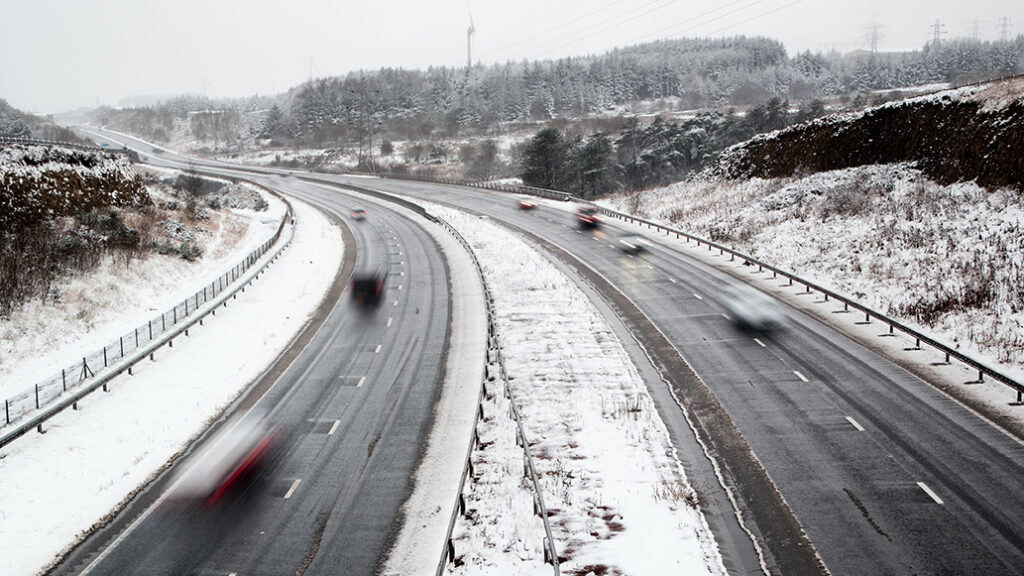
Winter weather creates some of the most dangerous driving conditions of the year. Slippery roads, black ice, fog, snow, and shorter days all increase the risk of accidents. Preparing both your vehicle and your mindset is the best way to stay safe.
For fleet managers, it’s also a legal responsibility to ensure vehicles are safe and drivers are fit for the road—physically and mentally.
Prepare Your Vehicle for Winter
Check Your Tyres
Your tyres are your only point of contact with the road, so they matter more than ever in winter.
- Aim for at least 3mm tread depth for better grip.
- Check tyre pressure regularly—cold weather lowers it.
- Consider winter tyres if you regularly drive in icy or snowy areas.
Check Your Battery & Electrics
Batteries fail more often in cold weather.
- Test the battery and replace it if weak.
- Check all lights—headlights, fog lights, brake lights, and indicators.
Top Up Essential Fluids
Winter puts extra strain on your vehicle’s systems.
- Use a 50% winter-grade screen wash to prevent freezing.
- Check coolant and antifreeze levels.
- Replace worn wiper blades and make sure washers are working.
Test Heating & Demisters
Good visibility is everything.
- Ensure heaters, demisters, and defrosters are working properly.
- Clean windows and mirrors regularly to reduce glare.
Pack a Winter Driving Kit
A well-stocked kit can turn a stressful situation into a manageable one.
Essentials:
- Ice scraper & de-icer
- Torch
- Blanket
- Jump leads
- Shovel
- Sunglasses (for low winter sun)
- High-vis jacket
- Old carpet or mat for traction
- Phone charger
Fleet Service GB also recommends keeping emergency supplies in all company vehicles—especially during winter months.
Adjust Your Driving Style for Winter Roads
Slow Down & Leave Extra Space
Stopping distances can be ten times longer on icy roads.
- Drive gently—no harsh braking or sharp steering.
- Leave plenty of room between you and the vehicle ahead.
Plan Ahead
Before you start your journey:
- Check weather forecasts.
- Stick to main roads when possible—they’re more likely to be gritted.
- Ask yourself: Is this trip essential?
Improve Visibility
Winter means long hours of darkness and low sun.
- Clean lights and windows before every journey.
- Use dipped headlights in poor visibility—don’t rely on daytime running lights.
- Watch out for glare from wet roads and low sun.
Avoid Driving Through Floods
Floods are more common in winter due to heavy rain.
If you must drive through water:
- Go slowly in a low gear.
- Keep engine revs high.
- Keep moving steadily to avoid stalling.
- Test brakes afterwards.
Support Your Mental Health & Wellbeing in Winter
Winter affects more than just the roads—it affects people too. Dark days, long hours, and stressful conditions can take a toll.
Recognise Signs of Stress & Fatigue
Drivers are more likely to feel tired or overwhelmed in winter. Fatigue is a major risk factor for accidents.
Fleet managers must follow working-time regulations, ensuring drivers take legally required rest breaks and aren’t overworked.
Encourage Breaks
Regular pauses help drivers stay alert.
- Hydrate
- Stretch
- Reset mentally
Create Open Communication
Drivers should feel comfortable reporting:
A supportive atmosphere helps prevent problems before they escalate.
Use Driver Monitoring Tools
Telematics can help spot early signs of fatigue or stress by tracking:
- Harsh braking
- Speeding
- Erratic driving
Intervening early keeps everyone safer.
Support From Fleet Service GB
Fleet Service GB offers winter-ready solutions such as:
- FSGB Maintenance Management — winter servicing, tyre checks, inspections.
- 24/7 Breakdown Support — keeping drivers moving in harsh conditions.
- Driver Training & e-Learning — including winter driving and adverse weather modules.
Their support gives fleet managers confidence that both vehicles and drivers are prepared for winter’s demands.
FAQs About Winter Driving Safety Tips
What are the most important winter driving safety tips?
Slow down, keep your distance, check your tyres, clear your windows, and plan ahead.
How can I prepare my car for icy roads?
Check tyres, battery, brakes, lights, and fluids. Carry essentials like de-icer, a blanket, and a torch.
Should I use winter tyres in the UK?
They aren’t mandatory, but they’re highly recommended in areas with regular snow or ice.
Why is winter driving more dangerous?
Shorter days reduce visibility, and roads are more slippery due to ice, rain, and freezing temperatures.
How do I stop skidding?
Steer gently, avoid harsh braking, and slow down before bends.
FAQs About Fleet Service GB
What winter services does Fleet Service GB offer?
FSGB provides maintenance management, winter checks, tyre services, and breakdown support.
Can Fleet Service GB help train my drivers for winter conditions?
Yes—FSGB offers Advanced Driver Training and e-learning modules covering winter driving skills.
Does Fleet Service GB support breakdowns in severe weather?
Absolutely. They operate 24/7 to keep your vehicles on the road safely.
Final Thoughts
Winter driving doesn’t have to be daunting. With the right vehicle preparation, safer driving habits, and mental wellbeing support, you can face icy roads and challenging conditions with confidence.
Stay prepared, stay alert, and stay safe this winter.