

Rodent-related vehicle damage isn’t just an inconvenience anymore – it’s fast becoming a real cost and risk area for fleets across the UK. With insurance claims and breakdown call-outs on the rise, fleet managers need to take proactive steps to protect their vehicles, avoid downtime and keep repair costs under control.
In this article, we look at what’s driving the increase, how much it’s costing, key prevention strategies for fleets, and how Fleet Service GB’s Driver App can help catch rodent damage early through daily vehicle checks.
Why Rodent Damage is Rising in 2025
Insurers and motoring organisations have seen a sharp increase in damage caused by rats and mice chewing through vehicles. Aviva reported almost a 30% rise in rodent-related motor insurance claims year-on-year, with average repair costs climbing to around £2,500 per incident. In some cases, the cost has pushed vehicles to write-off point.
The RAC has also seen a notable rise in breakdowns linked to rodents, with incidents increasing by over 50% in recent years. Damage spikes during the colder months as vehicles offer warmth and shelter, especially when left parked up overnight or unused for longer periods.
Why Fleet Vehicles Are at Risk
Fleet and commercial vehicles are often:
- Parked in the same depot or location each night
- Left unused during weekends or seasonal periods
- Stored near bins, warehouses, or food waste areas
- Driven through urban areas where rodent populations are highest
This creates the perfect environment for rodents to nest in engine bays, interiors or under the vehicle.
Common Types of Rodent Damage to Fleet Vehicles
Rodents can cause surprising levels of destruction in a short amount of time. Typical damage includes:
- Chewed wiring and cabling – affecting electrics, sensors, alarms and dashboard warnings
- Gnawed fuel lines, brake hoses and washer tubing
- Damage to insulation, carpets and seat foam
- Nesting in the engine bay or behind panels
- Air filters, batteries and headlight wiring being chewed
Beyond repair bills, this leads to fleet downtime, MOT failures, safety risks and reduced vehicle lifespan.
How to Prevent Rodents Damaging Fleet Vehicles
Stopping rodents isn’t guaranteed, but a few simple fleet-wide habits can significantly reduce risk.
Reduce Attractors
- Keep depots and parking areas clean and clear of waste
- Avoid leaving food, wrappers or cups in vehicles
- Keep litter removed from cabs at the end of each shift
Choose Parking & Storage Wisely
- Avoid parking near bins, skips or overgrown vegetation
- Where possible, use secure and sealed garages or compounds
- Rotate where vehicles are parked so pests don’t become familiar with a single spot
Regular Inspections – Especially After Weekends or Cold Spells
Train drivers and managers to look for signs such as:
- Droppings, shredded paper, leaves or nesting material
- Strange smells under the bonnet
- Warning lights caused by sensor or wiring damage
Use Preventative Deterrents
Fleets may consider:
- Rodent-repellent sprays and granules
- Ultrasonic devices for depots
- Engine bay mesh or protective cable coverings
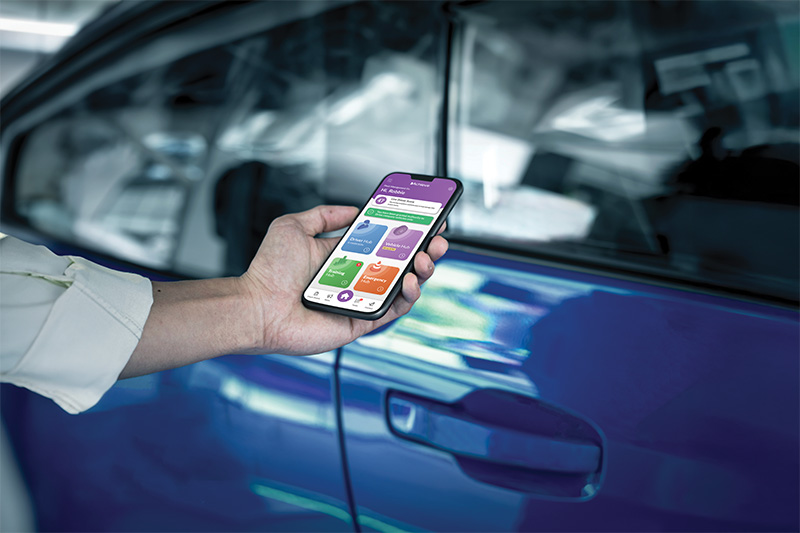
Use the FSGB Driver App for Daily Checks
One of the simplest yet most effective prevention strategies is consistent daily vehicle checks.
The Fleet Service GB Driver App allows drivers to complete digital daily checks quickly and accurately, helping spot early signs of rodent interference. Drivers can log issues such as:
- Unusual smells in the cab or engine
- Loose wiring or warning lights
- Evidence of nesting or damaged insulation
- Chewed plastic, rubber or wiring under the bonnet
This means potential problems are reported instantly, so maintenance teams can act before a minor issue becomes an expensive repair or causes breakdown-related downtime.
FAQs About Rodent Damage to Fleet Vehicles
Why are rodents attracted to fleet vehicles?
Rodents seek warmth, shelter and food sources. Engine bays, depots, and stored vehicles provide ideal nesting spots. Food left in cabs is a major attractor.
What time of year is rodent damage worst?
Incidents increase in colder months (usually late autumn through early spring) as rodents seek warmth.
Does insurance cover rodent damage?
Many policies do, but not all. Some insurers are reviewing wording due to rising claim volumes, so fleet managers should check coverage with their provider.
What are early signs of rodent damage?
Burning smells, warning lights, debris under the bonnet, chewed materials, or the heater blowing nesting material into the cab.
FAQs About Fleet Service GB
What does Fleet Service GB do?
Fleet Service GB provides fleet management, maintenance, risk and compliance support for organisations across the UK, helping fleets stay safe, efficient and legally compliant.
How does the FSGB Driver App help with vehicle checks?
The app enables drivers to complete daily vehicle checks digitally, report defects instantly, and track issues so they can be resolved quickly – including potential rodent-related issues.
Can FSGB support with fleet maintenance and repairs?
Yes. Fleet Service GB manages repairs, servicing, inspections and maintenance planning, helping fleets stay road-ready and cost-efficient.
Final Thoughts
Rodent damage might sound like an unlikely fleet problem, but the statistics show it’s a growing and expensive issue. A mix of prevention, smarter parking, hygiene, and consistent daily checks can dramatically cut the risk.
With the FSGB Driver App, fleets can identify and report early warning signs quickly – helping avoid unnecessary costs and downtime.