




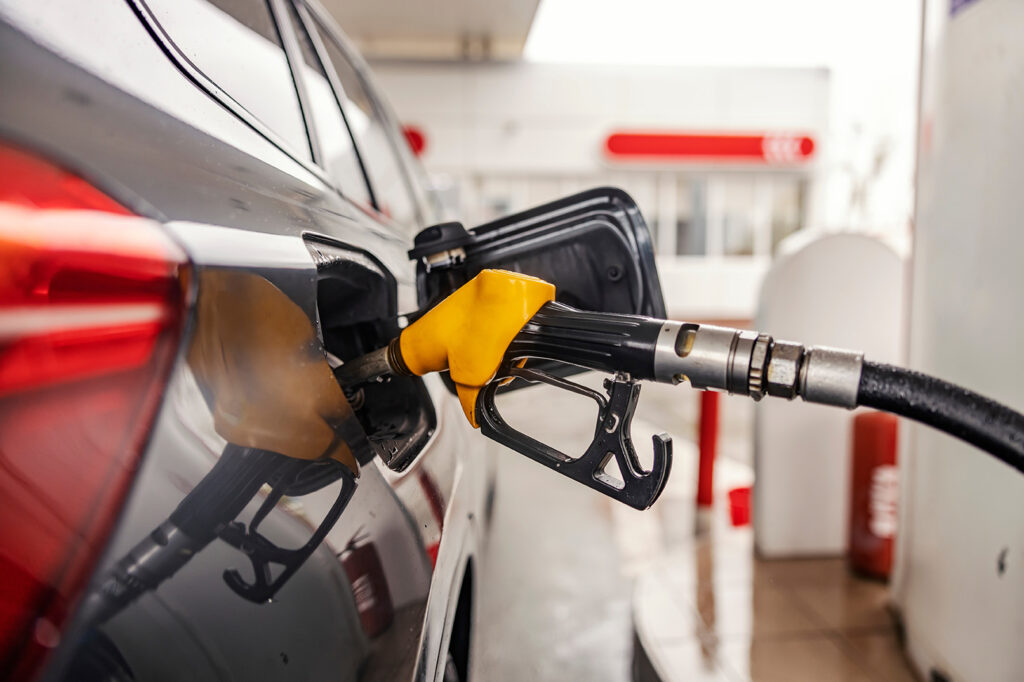
With the Autumn Budget just around the corner, there’s growing talk about a 5p fuel duty increase being reintroduced next year. For businesses running vehicle fleets, this could mean a serious rise in operating costs. Especially at a time when budgets are already tight.
In this post, we’ll explain why the Government is considering the increase, what it could mean for fleets, and – most importantly – how you can combat the impact through smart, practical fuel-saving strategies.
Why Is a Fuel Duty Increase Being Considered?
According to the latest HMRC figures, fuel duty receipts from April to September 2025 totalled £12.2 billion. This is around £26 million less than the same period last year.
This drop is mainly due to the growing shift from diesel to electric and hybrid vehicles, which is good news for the environment but bad news for public finances. Historically, fuel duty has been a big part of the UK’s tax income – but as more drivers go electric, that income is shrinking fast.
To plug this gap, the Government is considering reversing the temporary 5p fuel duty cut that’s been in place since 2022. If the change goes ahead, fuel duty would rise again in April 2026, increasing the cost of petrol and diesel for both private drivers and fleet operators.
What Does This Mean for Fleets?
For fleet operators, a fuel duty rise means higher running costs, especially for vehicles that can’t yet switch to electric or hybrid alternatives.
The Road Haulage Association (RHA) has warned that reversing the cut could add £7.3 billion to household costs by 2029, as increased transport and distribution costs push up prices across the supply chain.
Simply put: when fleets pay more for fuel, everyone pays more for goods and services.
That’s why it’s more important than ever for fleets to take control of fuel efficiency now – and that’s where practical fuel-saving techniques and training come in.
How to Combat the 5p Fuel Duty Increase
You can’t stop the increase, but you can reduce its impact with smart, data-led strategies that cut fuel use and improve efficiency. Here are some proven ways to do it:
Maintain Your Vehicles Regularly
Keeping your fleet in top condition ensures engines run efficiently and use less fuel.
Check tyre pressure regularly – underinflated tyres increase fuel consumption.
Use quality engine oil and lubricants to reduce friction.
Book regular servicing to catch issues early and prevent wasted fuel.
Improve Driver Behaviour
Your drivers have a massive influence on how much fuel your fleet uses. Simple habits like smoother acceleration, avoiding harsh braking and maintaining steady speeds can save up to 30% on fuel.
Through Fleet Service GB’s Driver Management Programme, fleets can track and support drivers using telematics and tailored training. The programme focuses on improving behaviour, safety and efficiency – all key factors in cutting fuel costs.
Invest in Fuel-Efficient Driver Training
Fleet Service GB offers specialist Fuelsave training that teaches drivers how to maximise fuel economy through better driving techniques. These sessions, backed by real-time performance monitoring, help fleets achieve measurable savings quickly.
Use the Fuelsave Calculator
Not sure how much you could save? Try Fleet Service GB’s Fuelsave Calculator. It estimates the potential cost reductions from adopting efficient driving practices – showing how fuel management investments can quickly pay for themselves.
Embrace Technology and Data
Modern telematics systems, like those integrated into Fleet Service GB’s Achieve Software Hub, give you real-time data on fuel usage, driver performance, and vehicle health. This insight helps you make informed decisions, reduce waste, and plan proactive maintenance. They also have the benefit of correct, fuelsave journey planning shaving miles and time from each job.
Read more about how implementing fuel-saving techniques can save you money here.
Turning Challenges into Opportunities
While a 5p increase in fuel duty may seem like another blow to fleet budgets, it’s also an opportunity to review and refine your fuel management strategy.
By adopting fuel-saving techniques, investing in driver training, and using advanced monitoring tools, fleets can reduce fuel spend, lower emissions, and build a more resilient operation for the future.
FAQs About the Fuel Duty Increase
What is the 5p fuel duty increase?
It’s the proposed reversal of the temporary 5p-per-litre fuel duty cut introduced in 2022 to offset rising fuel prices. The Government may reinstate it in April 2026 to recover lost tax revenue.
Why is fuel duty being increased?
Fuel duty revenues are falling as more drivers switch to electric and hybrid vehicles. The Government is looking to recover this shortfall to maintain public finances.
How much will this cost fleets?
The impact will vary depending on fleet size and fuel use, but experts warn it could significantly increase operating costs across the transport and logistics sector.
How can fleets prepare for the increase?
Fleets can offset the rise by improving driver behaviour, maintaining vehicles efficiently, and using tools like Fleet Service GB’s Fuelsave Calculator to find new savings opportunities.
FAQs About Fleet Service GB
Who is Fleet Service GB?
Fleet Service GB is the UK’s only fully integrated fleet management solution, offering tailored programmes that combine driver management, maintenance, and fuel efficiency services.
What services does Fleet Service GB provide?
They offer Driver Management, Vehicle Maintenance, and Fuelsave Training, all backed by real-time data and expert support through their Achieve Software Hub.
How can Fleet Service GB help reduce fuel costs?
Through driver training, telematics, and continuous monitoring, FSGB helps fleets cut unnecessary fuel use, improve efficiency, and build sustainable driving habits.
How do I calculate my potential savings?
You can use FSGB’s Fuelsave Calculator to estimate how much your business could save by adopting smarter fuel management practices.
Final Thoughts
The proposed 5p fuel duty increase may be beyond your control – but your fuel efficiency isn’t. By working smarter, not harder, and partnering with experts like Fleet Service GB, you can protect your bottom line, reduce emissions, and keep your fleet running efficiently no matter what the next Budget brings.